Author
Mega AIPublished
Mar th, 2026Category
BlogOpening a franchise is one of the fastest paths to business ownership, but not every franchise requires a six-figure check to get started. Some legitimate franchise opportunities cost less than $10,000, while others deliver stronger long-term returns at a higher entry point.
This guide breaks down the cheapest franchises to open in 2026 across seven categories, compares real investment ranges and break-even timelines, and explains why the lowest price tag does not always mean the best deal.
Quick Answer: What Are the Cheapest Franchises to Open?
The cheapest franchises to open in 2026 start as low as $2,000 for home-based travel and cleaning businesses. Micro-franchises like Cruise Planners ($2,295 to $23,465) and JAN-PRO ($3,985 to $51,105) lead the list. Service-based franchises in cleaning, travel, and fitness consistently offer the lowest barriers to entry, while food and retail franchises typically require $100,000 or more.
Here is a snapshot of low cost franchise opportunities by category:
| Category | Investment Range | Franchise Fee | Typical Break-Even |
|---|---|---|---|
| Travel (Home-Based) | $2,000 – $25,000 | $3,500 – $11,000 | 6 – 12 months |
| Commercial Cleaning | $4,000 – $80,000 | $1,000 – $75,000 | 3 – 9 months |
| Fitness | $2,000 – $50,000 | $1,250 – $40,000 | 12 – 18 months |
| Mobile Services | $10,000 – $85,000 | $5,000 – $17,500 | 6 – 12 months |
| Food and Beverage | $100,000 – $500,000 | $10,000 – $50,000 | 18 – 36 months |
| Senior Care and Education | $80,000 – $175,000 | $40,000 – $65,000 | 12 – 24 months |
| Salon Suites and Real Estate | $150,000 – $2,200,000 | $25,000 – $50,000 | 18 – 36 months |
1. Travel Franchises: Lowest Upfront Cost
Travel franchises consistently rank among the cheapest franchises to open because they operate from home with no storefront, no inventory, and no employees.
Cruise Planners leads the category with an initial investment of just $2,295 to $23,465 and a franchise fee starting at $8,995 (with veteran and other discounts available). The 0% to 3% royalty structure keeps ongoing costs low.
Dream Vacations offers a similar model at $2,590 to $21,870, with franchise fees as low as $3,500 for qualifying candidates. Franchisees earn commissions on travel bookings while working from home.
What to know: Travel franchises have the lowest startup costs, but revenue depends entirely on booking volume and commission rates. Annual earnings vary widely, with top performers generating $300,000 or more in sales while part-time operators may see significantly less.
2. Commercial Cleaning Franchises: Guaranteed Clients
Commercial cleaning franchises are among the most popular inexpensive franchises to open because many offer guaranteed initial client accounts as part of the franchise package.
JAN-PRO starts at $3,985 to $51,105 with franchise fees from $2,520 to $44,000 and a 10% royalty. The key differentiator is that JAN-PRO provides guaranteed initial customers, reducing the risk of a slow start.
Buildingstars offers entry at $2,195 to $52,795 with royalties ranging from 4% to 12%. Like JAN-PRO, they provide initial client accounts.
Stratus Building Solutions rounds out the category at $4,450 to $79,750 with a 10% royalty fee. Their master franchise model means local support in most markets.
What to know: Cleaning franchise fees vary dramatically based on the size of the territory and initial client package you purchase. The lowest advertised price often represents the smallest possible territory. Factor in equipment, supplies, insurance, and transportation when calculating true startup costs.
3. Fitness Franchises: Flexible Models
Fitness is a growing sector with several cheap franchises that do not require a traditional gym buildout.
Jazzercise stands out with one of the lowest initial investments in franchising: $2,170 to $3,200 total, with a franchise fee of up to $1,250. The trade-off is a 20% royalty rate (minimum $250 per month), which is higher than most franchise categories.
Other fitness concepts like Anytime Fitness require significantly more capital ($400,000+), but mobile and class-based fitness franchises keep costs under $50,000 with flexible scheduling models.
What to know: Low-cost fitness franchises often rely on the franchisee as the primary instructor. This means the business generates income only when you are actively working, which limits scalability compared to franchise models that employ staff.
4. Mobile Service Franchises: No Storefront Required
Mobile service franchises eliminate real estate costs entirely, making them attractive low cost franchises for first-time business owners.
SuperGlass Windshield Repair operates as a mobile service with an initial investment of $18,685 to $84,205 and a 4% royalty. High profit margins on windshield repair make this a consistently profitable model.
1-800-DryClean offers mobile dry cleaning pickup and delivery at $59,800 to $78,905. The franchise fee of $14,900 includes territory rights and training.
What to know: Mobile franchises save on rent but require reliable transportation, fuel, and potentially a branded vehicle wrap. Some mobile concepts have geographic limitations based on population density.
5. Food and Beverage Franchises: Higher Entry, Higher Demand
Food franchises are rarely the cheapest franchise to open, but they benefit from built-in consumer demand and strong brand recognition.
Kona Ice is among the most affordable food franchises at $102,365 to $189,300 in total investment with a $15,000 franchise fee and only 6% royalty. As a mobile shaved ice truck, it avoids traditional restaurant buildout costs.
Auntie Anne’s ranges from $100,550 to $503,500 depending on location format, with franchise fees between $10,500 and $35,500.
For reference, major fast-food franchises like Dunkin’ start at $40,000 to $90,000 in franchise fees alone, with total investments easily exceeding $500,000. Chick-fil-A has one of the lowest franchise fees ($10,000) but is among the most selective and difficult to obtain.
What to know: Food franchise costs vary enormously based on whether the concept is mobile (food truck), kiosk, or full restaurant. Equipment, health department permits, and food safety compliance add costs that other franchise categories avoid.
6. Senior Care and Education Franchises: Growing Demand
Demographic trends make senior care and education franchises strong long-term bets, though they sit in the mid-range for investment.
Visiting Angels requires $125,460 to $171,150 and has earned a reputation for high franchisee satisfaction. The home-based senior care model requires no facility buildout.
Education franchises like tutoring and enrichment programs typically start at $80,000 to $150,000 and benefit from consistent recurring revenue.
What to know: Senior care franchises often require specific state licenses and insurance that add to startup and ongoing costs. Education franchises may be seasonal, with revenue dipping during summer months.
7. Salon Suite Franchises: Premium Investment, Premium Returns
Not every franchise buyer is looking for the absolute cheapest option. Investors who can allocate more capital upfront often achieve stronger, more scalable returns through premium franchise models.
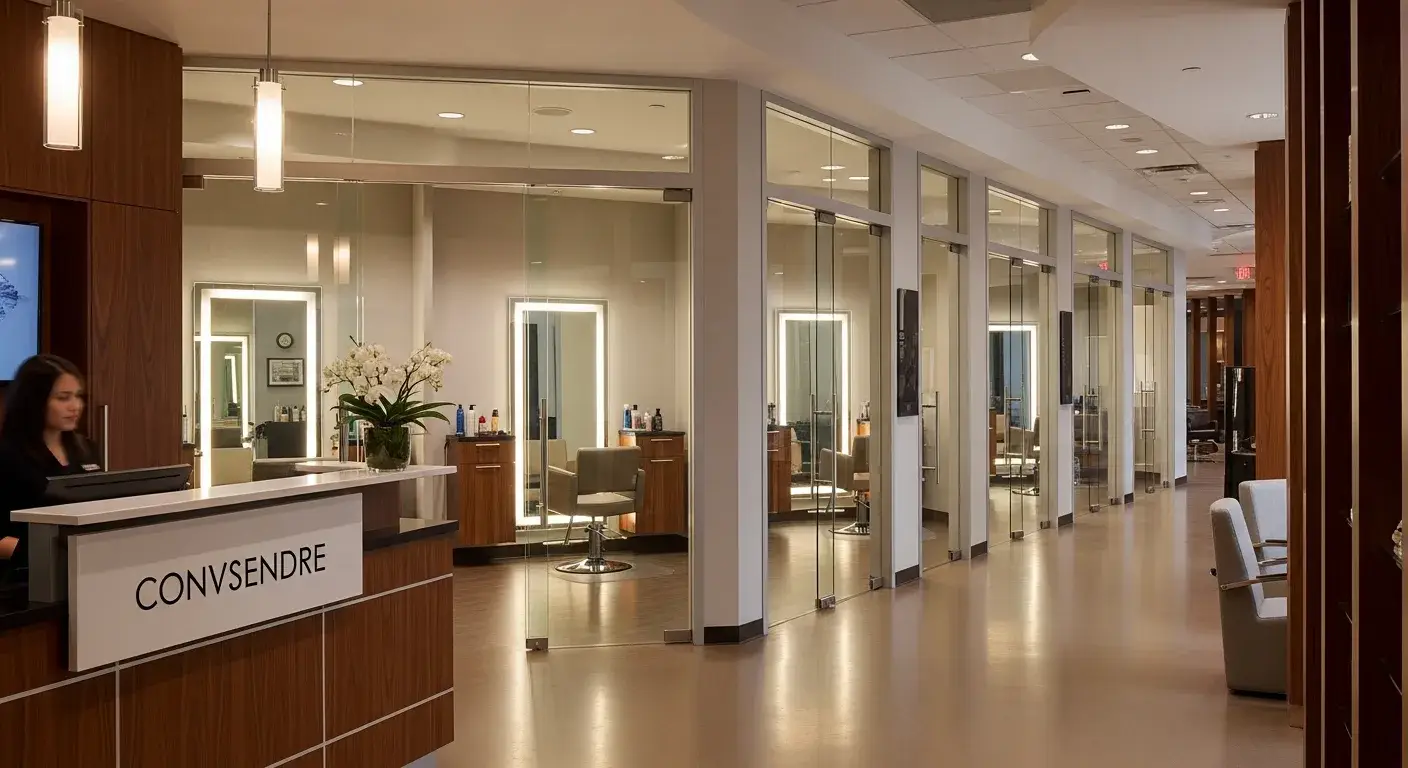
Salon suite franchises operate on a real estate-based model where franchisees build out private salon suites and lease them to licensed beauty and wellness professionals. Revenue comes from multiple rental streams rather than a single product or service, creating a diversified income base.
Salons by JC, the original salon suite franchise concept since 1997, represents this premium-yet-accessible category. The total estimated initial investment ranges from approximately $1.4 million to $2.2 million, and franchisees benefit from a semi-absentee ownership model with a full-time onsite Concierge Manager handling daily operations.
Key advantages of the salon suite franchise model include:
- Multi-unit rental income from individual suite leases, not dependent on a single revenue source
- Semi-absentee operations with a dedicated onsite Concierge Manager, freeing the owner from daily management
- $46 billion industry with consistent demand for beauty and wellness services
- No salon experience required, making it accessible to investors from any background
- Ranked on Entrepreneur 500 for six consecutive years, demonstrating proven franchise performance
While the initial investment is higher than other categories on this list, the salon suite model targets investors seeking long-term franchise profitability over minimal upfront cost.
What to know: Premium franchise investments typically require $750,000 or more in liquid assets. Financing options, including SBA loans and franchisor relationships with lending partners, can make these investments more accessible. Review the full salon suite franchise investment breakdown for detailed cost categories.
Hidden Costs Every Franchise Buyer Should Know
The franchise fee and initial investment listed in the Franchise Disclosure Document (FDD) never tell the full story. Before committing to any franchise, whether it is a $3,000 cleaning operation or a $1.5 million salon suite, account for these commonly overlooked expenses:
- Royalty fees: Ongoing payments of 4% to 20% of gross revenue, depending on the brand
- Marketing fund contributions: Typically 1% to 5% of revenue, required by most franchisors
- Insurance: General liability, workers’ compensation, and professional liability coverage
- Working capital: Three to six months of operating expenses before the business becomes profitable
- Technology and software fees: POS systems, booking platforms, CRM tools, and website maintenance
- Renewal fees: Franchise agreements typically run 5 to 10 years with renewal costs
- Territory restrictions: Some franchise models limit expansion, requiring additional fees for new territories
A thorough franchise due diligence process should include reviewing Item 19 (financial performance representations) of the FDD, speaking with existing franchisees, and calculating total five-year cost of ownership.
How to Choose the Right Franchise for Your Budget
Selecting from among cheap franchises requires more than comparing price tags. Consider these factors:
Match investment to goals. A $5,000 home-based franchise can generate supplemental income, but it is unlikely to replace a full-time salary immediately. Higher investment franchises with proven unit economics often reach profitability faster relative to the capital deployed.
Evaluate the business model’s scalability. Franchises where you are the primary worker (fitness instruction, mobile repair) have natural revenue ceilings. Models with employee-operated or rental-based revenue (cleaning crews, salon suites) scale beyond your personal time.
Review the FDD thoroughly. Every franchisor must provide a Franchise Disclosure Document at least 14 days before you sign. Item 7 details estimated initial investment. Item 19 (if provided) shows actual financial performance data. Item 5 and 6 cover ongoing fees.
Talk to existing franchisees. Item 20 of the FDD lists current and former franchisees. Call at least five. Ask about actual startup costs versus projections, time to break even, and franchisor support quality.
Consider financing options. SBA loans, franchisor financing programs, and equipment leasing can reduce the upfront cash requirement. Explore franchise financing options to understand what is available for your investment level.
Frequently Asked Questions
What is the cheapest franchise to open in 2026?
The cheapest franchises to open in 2026 are home-based travel franchises like Cruise Planners (starting at $2,295) and Dream Vacations (starting at $2,590). Commercial cleaning franchises like JAN-PRO and Buildingstars also offer entry points under $5,000 in some territories.
Can you open a franchise for under $10,000?
Yes. Several legitimate franchises require less than $10,000 to start, including travel planning, commercial cleaning, and fitness instruction franchises. These models typically operate from home with no storefront, keeping overhead minimal.
What is the most profitable low-cost franchise?
Profitability depends on the business model, location, and operator effort rather than just startup cost. Among low-cost options, commercial cleaning franchises with guaranteed initial clients (like JAN-PRO) and travel franchises (like Dream Vacations, which reports average annual sales of over $336,000) tend to offer strong returns relative to investment.
Are cheap franchises worth it?
Cheap franchises can be excellent entry points into business ownership, but they come with trade-offs. Lower investment often means lower brand recognition, more hands-on work, and smaller revenue potential. The key is matching the franchise model to your financial goals, time availability, and growth expectations.
What franchise categories have the lowest startup costs?
Travel (home-based), commercial cleaning, and fitness instruction consistently offer the lowest startup costs across all franchise categories. Mobile service franchises also keep costs low by eliminating the need for commercial real estate.
How do low-cost franchises compare to premium franchise investments?
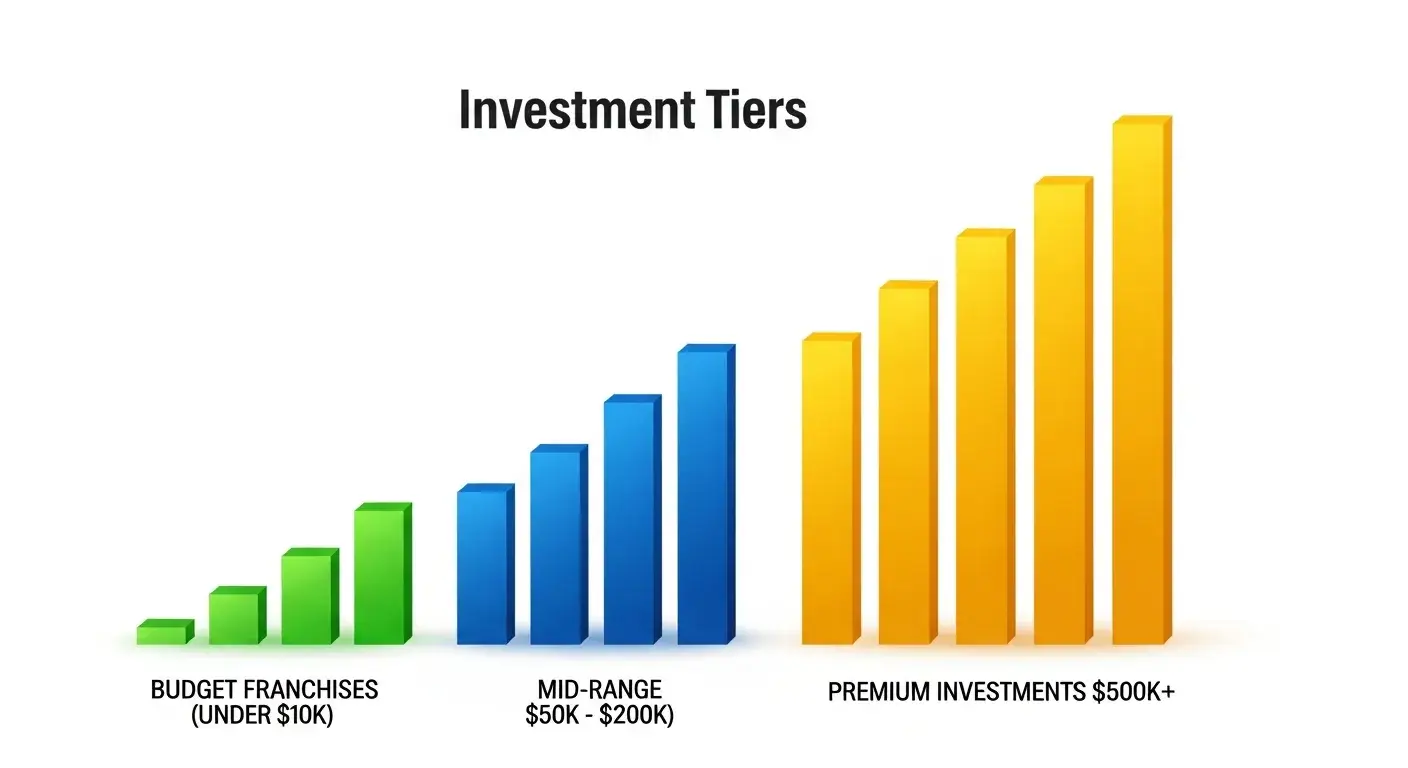
Low-cost franchises ($2,000 to $50,000) offer lower financial risk and faster entry but typically require more hands-on work and have lower revenue ceilings. Premium franchises ($500,000+) require significant capital but often feature semi-absentee ownership models, diversified revenue streams, and stronger long-term ROI. The right choice depends on your investment capacity and lifestyle goals.
The Bottom Line
The cheapest franchise to open in 2026 starts at just a few thousand dollars, but the best franchise investment is the one that matches your capital, goals, and desired level of involvement. Ultra-low-cost franchises work well for first-time entrepreneurs testing the waters. Mid-range options suit operators ready to commit full-time. And premium franchise investments, like the salon suite model, deliver scalable, semi-absentee income for investors who prioritize long-term wealth building.
Whatever your budget, start with the FDD, talk to franchisees, and run the numbers before signing anything.
Ready to explore a franchise model built for investors? Request a free consultation to learn how Salons by JC’s salon suite franchise delivers multi-unit rental income with a proven semi-absentee model.