Author
adminPublished
Mar rd, 2026Category
GuidesWhen you hear the term “salon franchise,” you might picture a typical haircut chain. But the industry has evolved, creating a smarter opportunity for investors. The salon suite model isn’t about managing employees; it’s about being a landlord to a community of independent beauty entrepreneurs. You own the high-end real estate, and they lease the individual suites from you, creating multiple streams of rental income. This semi-absentee structure is perfect for those who want a scalable asset without the day-to-day operational demands. This article explores how this modern salon franchise business works and why it’s attracting savvy investors from all backgrounds.
Key Takeaways
- Know the model you’re investing in: The salon suite franchise makes you a landlord to beauty entrepreneurs, not a manager of stylists. This model is designed for semi-absentee ownership and focuses on generating rental income, removing the common challenges of employee management.
- Leverage the franchisor’s support system: A strong franchise partnership provides a complete business playbook. You get access to expert guidance on site selection, comprehensive training, proven marketing strategies, and essential technology, which helps you avoid common startup mistakes.
- Do your homework before you commit: Your due diligence is crucial for making a confident decision. This means thoroughly reviewing the Franchise Disclosure Document (FDD) with a lawyer, analyzing your local market, and creating realistic financial projections to confirm the opportunity aligns with your goals.
What Is a Salon Franchise?
If you’re looking for a business opportunity in the beauty industry but don’t want to start from scratch, a salon franchise is an excellent path to consider. Think of it as a business-in-a-box. A salon franchise is a model where you, the franchisee, purchase the rights to operate a business under the name and system of an established company, the franchisor. This arrangement allows you to tap into a well-known brand, a proven operational playbook, and a network of support from day one.
Instead of spending years building a brand and figuring out what works, you get to start with a significant advantage. The franchisor provides the blueprint for success, covering everything from marketing strategies to daily operations. In return for an initial fee and ongoing royalties, you receive the tools and guidance needed to run your location. This structure is especially appealing for investors who want to enter a thriving, recession-resistant industry without needing direct salon experience. It’s a partnership designed to give you a clear and supported route to business ownership.
How the Franchise Model Works
The franchise model is built on a simple premise: you invest in a proven system to reduce the risks of starting a new business. When you buy a franchise, you’re not just buying a name; you’re gaining access to a complete operational framework. This includes an established brand that customers already recognize and trust, which gives you an immediate competitive edge. You also receive comprehensive training, assistance with site selection, and ongoing support to help you manage your business effectively. The franchisor has already refined the business plan through years of experience, so you can avoid common pitfalls and focus on growth. This structured approach is what makes our model so powerful for new entrepreneurs.
Exploring Different Types of Salon Franchises
The salon industry offers several franchise models, each catering to a different market and business style. Traditional franchises often focus on specific services, like haircut-focused chains for men, women, or children. These businesses operate much like a typical salon, where you hire stylists as employees to serve clients. While popular, this model requires hands-on management of staff and service quality.
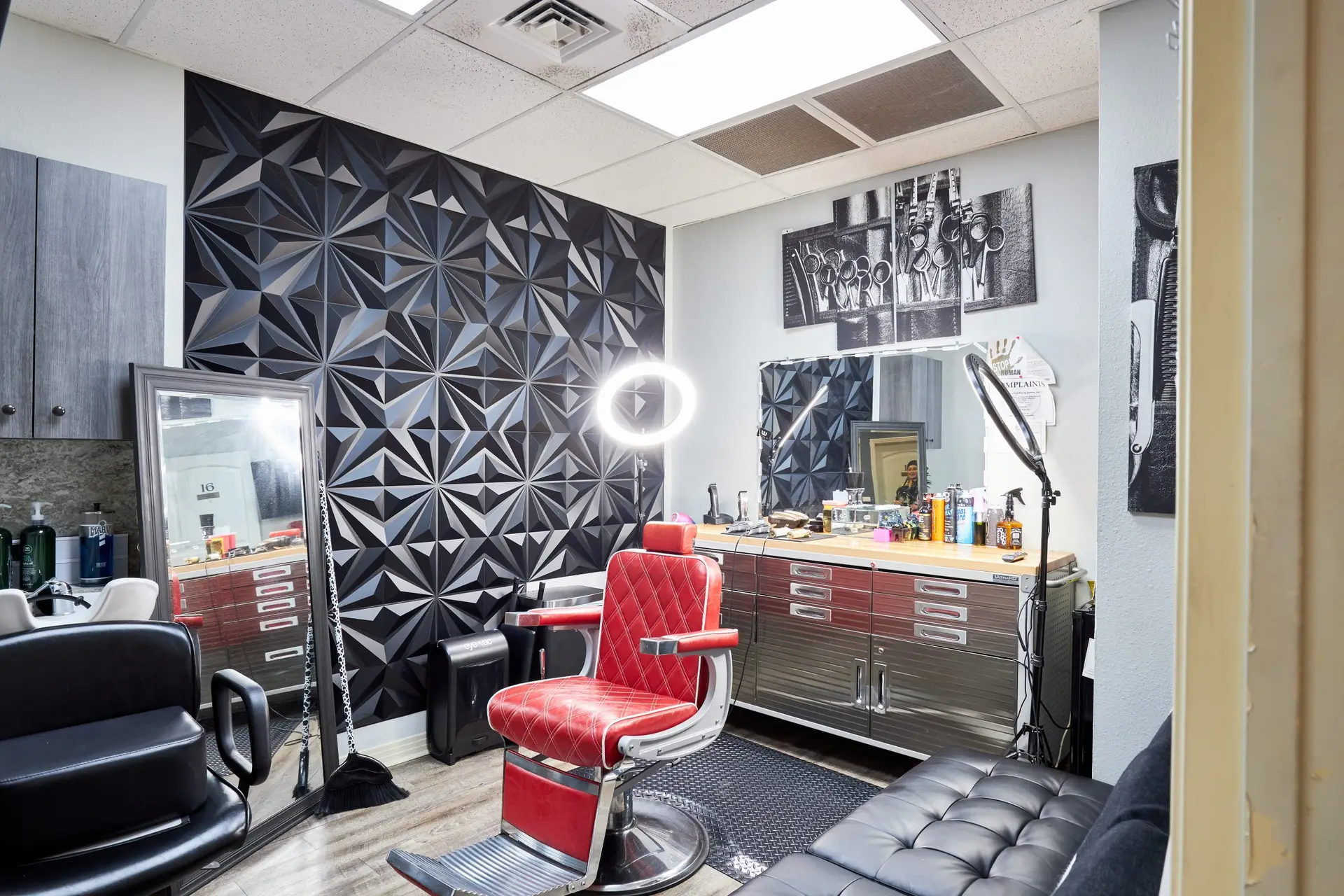
A different and rapidly growing option is the salon suite model. With a company like Salons by JC, you aren’t running a traditional salon. Instead, you are essentially a real estate investor providing luxury suites to independent beauty and wellness professionals. These professionals run their own businesses within your location, and you collect rent. This creates a semi-absentee ownership opportunity with multiple streams of rental income, making it an ideal fit for investors.
Understanding the Salon Franchise Landscape
When you hear “salon franchise,” you might picture a specific type of business, but the landscape is actually quite diverse. The right fit for you depends entirely on your investment goals and how hands-on you want to be. Are you looking to be a landlord in the beauty space, or do you want to manage a team of stylists? Understanding the fundamental differences between the main franchise models is the first step in finding your perfect match. Let’s look at the three most common types.
The Salon Suite Model
Think of the salon suite model as a real estate investment set in the beauty world. Instead of running a traditional salon, you act as a landlord, renting out individual, private suites to independent beauty professionals like hairstylists, estheticians, and massage therapists. This creates a consistent rental income stream and allows for semi-absentee ownership, meaning you can oversee the business without being there every day. Your main job is to manage the property and support your tenants, helping them succeed on their own terms. Success comes from creating a high-end, supportive environment that attracts and keeps talented professionals who are happy to call your location home.
Haircut-Focused Chains
These are the quick, convenient salons you see in busy shopping centers. Haircut-focused chains specialize in a few core services, like cuts and color, and often cater to walk-in clients. This high-volume approach can create a steady flow of customers. For franchisees, this model can also be semi-absentee. You can hire a manager to handle the day-to-day scheduling, staffing, and operations while you focus on the bigger picture. Because hair care is a consistent need, the industry is often considered recession-resistant, making these chains a stable investment choice for many.
Full-Service Salon Franchises
A full-service salon franchise is an all-in-one destination for beauty. These businesses offer a wide array of services, from hair and nails to facials and spa treatments, and they often have a retail component selling professional beauty products. As a franchisee, you benefit from an established brand name and a comprehensive support system that includes training, marketing, and a proven business plan. This model is typically more hands-on than the others, as you’ll manage a larger team of employees and a more complex inventory. It’s a great fit for someone who wants to be deeply involved in running a multifaceted beauty business.
Breaking Down the Investment: What to Expect Financially
Investing in a franchise is a significant financial step, and it’s important to have a clear picture of all the costs involved from day one. The total figure on your investment summary isn’t just a single number; it’s a combination of several key components that work together to get your business off the ground and position it for long-term success. Understanding each piece of the financial puzzle helps you plan effectively and move forward with confidence.
When you review a franchise opportunity, it’s easy to focus on the single “total investment” range. But the real insight comes from digging into the details. A thorough financial breakdown helps you create a more accurate business plan, have more productive conversations with lenders, and set realistic timelines for reaching profitability. It also serves as an early indicator of the franchisor’s transparency and experience. A brand that provides a clear, comprehensive cost breakdown is one that understands the path to opening and is prepared to guide you through it. This level of detail isn’t just about numbers; it’s about building a foundation of trust and clarity from the very beginning.
A transparent franchisor will provide a detailed breakdown of these expenses. The goal isn’t just to open your doors but to build a sustainable, profitable asset. From the initial entry fee to the capital needed to operate smoothly in your first few months, each cost has a specific purpose. Let’s walk through the main financial elements you can expect when you explore your investment in a salon suite franchise.
Your Initial Franchise Fee
Think of the initial franchise fee as your ticket to entry. This one-time payment gives you the license to operate under an established brand name and grants you access to the company’s proprietary systems and business model. It’s the foundation of your partnership with the franchisor. This fee typically covers the cost of your initial training, site selection assistance, and the comprehensive support you’ll receive before you even break ground. It’s an investment in a proven roadmap, saving you the time, money, and stress of building a business from scratch. By paying this fee, you’re not just buying a name; you’re gaining a partner dedicated to helping you launch successfully.
Equipment and Build-Out Costs
This is where your vision starts to take physical shape, and it often represents the largest portion of your initial investment. Build-out costs cover everything needed to transform an empty commercial space into a fully functional, luxury salon suite location. This includes construction, plumbing, electrical work, flooring, and high-end finishes that create a premium environment. Equipment costs include furnishing each individual suite and common area with everything from styling chairs and shampoo bowls to cabinetry and decor. While it’s a substantial expense, remember that you are building a tangible, high-value real estate asset designed to attract top beauty professionals and generate rental income for years to come.
Ongoing Royalties and Marketing Fees
Your financial commitment doesn’t end once your doors are open. After your launch, you’ll typically pay ongoing fees that fuel the brand’s continuous growth and support systems. Royalties are usually a percentage of your gross revenue and are paid in exchange for ongoing operational support, continued training, and access to the franchisor’s evolving technology and systems. Additionally, most franchises require a contribution to a brand marketing fund. This fee pools resources from all franchisees to pay for national advertising campaigns and brand-building initiatives that benefit everyone, creating a level of market presence that would be difficult to achieve on your own.
Securing Your Working Capital
Working capital is the financial cushion you’ll need to keep your business running smoothly during its initial phase. It’s the accessible cash on hand to cover operating expenses before your location is fully leased and generating consistent positive cash flow. These costs can include the first few months of rent on your commercial space, utilities, insurance, and salaries for any staff, like a full-time concierge. Having adequate working capital is critical for a stress-free start, allowing you to focus on leasing your suites and supporting your salon professionals without worrying about day-to-day bills. It’s the safety net that ensures you can handle any unexpected costs while your business ramps up.
The Support System: What a Good Franchisor Provides
One of the most significant advantages of buying a franchise is that you’re not starting from square one. Instead of building a business from the ground up, you’re investing in a proven system with a team of experts dedicated to your success. Think of the franchisor as your business partner, one who has already created the playbook, tested the market, and figured out what works. This partnership is built on a foundation of robust support that touches every aspect of your business, which is especially valuable if you’re entering the salon industry without prior experience.
A great franchisor provides a comprehensive support structure designed to guide you from your initial investment to your grand opening and beyond. This includes everything from initial training and site selection to ongoing operational guidance and powerful marketing resources. At Salons by JC, we believe that our franchisees’ success is our success, which is why we’ve developed a world-class franchisee support system. This framework is designed to give you the tools, knowledge, and confidence you need to build and scale your salon suite business effectively. The right support system doesn’t just help you open your doors; it empowers you to run your business efficiently and profitably for years to come.
Getting Started: Your Initial Training
A quality franchisor won’t just hand you a manual and wish you luck. They will immerse you in a comprehensive training program that covers the A-to-Z of their business model. This initial training is your foundation, teaching you the core principles of running the business, from understanding the financials to mastering the operational systems. It’s designed to get you up to speed quickly and confidently.
Beyond classroom learning, top-tier franchisors provide critical hands-on support, especially with one of the most important decisions you’ll make: choosing a location. They offer expert guidance on site selection, lease negotiation, and the entire build-out process. This ensures you start with a strong location poised for success, removing much of the guesswork and risk that comes with launching a new business.
Day-to-Day Operational Support
Once your doors are open, the support doesn’t stop. The day-to-day realities of running a business will always present new questions and challenges. A strong franchisor provides an ongoing support network you can lean on whenever you need it. This often includes a dedicated corporate support team, experienced field consultants who visit your location, and a community of fellow franchisees you can connect with for advice and shared experiences.
This continuous guidance covers best practices for managing your location, attracting and retaining talented beauty professionals, and optimizing your profitability. The goal is to make your daily management as smooth as possible. With a model designed for semi-absentee ownership, this operational support is key to maintaining a high-performing business without being tied to it 24/7.
Marketing and Brand-Building Assistance
When you buy a franchise, you’re also buying into an established brand with existing recognition and a loyal customer base. This gives you an incredible head start. A good franchisor provides a polished and professional marketing toolkit to help you hit the ground running. You’ll get access to professionally designed marketing materials, a ready-to-go website, and a social media strategy that’s already been proven to work.
This support allows you to launch with a powerful brand presence from day one. The franchisor typically manages national or regional advertising campaigns that benefit all locations, while also providing you with a playbook for effective local marketing to attract salon professionals and their clients in your specific community. This dual approach helps you build buzz and grow your business much faster than you could on your own.
Essential Tech and Systems
Running a modern business efficiently requires the right technology. Leading franchisors invest in a suite of integrated tech tools and systems to streamline your operations. This technology stack is designed to simplify everything from managing leases and payments to communicating with the beauty professionals who rent your suites. You won’t have to waste time researching, testing, and integrating different software solutions because the franchisor has already done that work for you.
These systems often include specialized property management software, powerful communication platforms, and business management apps that give you valuable insights into your performance. By providing a turnkey tech solution as part of your initial investment, a franchisor helps you automate routine tasks, reduce administrative headaches, and focus on the high-level activities that drive growth.
Are You the Right Fit? Key Qualifications for Franchise Ownership
So, you’re seriously considering owning a salon franchise. It’s an exciting prospect, but it’s also a significant commitment that goes beyond the initial investment. The most successful franchise partnerships are built on a solid foundation where the owner is a great match for the brand’s culture and business model. Think of it as a long-term business relationship; both sides need to be sure it’s the right fit. Before you get too far down the road, it’s smart to do a little self-assessment. Most franchisors, including us at Salons by JC, look for specific qualifications in potential partners. It generally boils down to three key areas: your financial readiness, your professional skillset, and your approach to the legal side of things. Let’s walk through what you should consider in each category.
The Financial Requirements
First things first, let’s talk numbers. A strong financial standing is non-negotiable. Franchisors need to know you have the capital to not only launch the business but also sustain it as it grows. You’ll need to carefully review the total investment required, which includes the initial franchise fee, build-out and equipment costs, and ongoing royalties. Beyond the startup costs, you’ll also need sufficient working capital to cover expenses for the first several months of operation. Be prepared to provide detailed financial statements to show you meet the minimum requirements for liquid capital and net worth. This ensures you’re starting on solid ground and are well-prepared for the journey ahead.
Your Experience and Skillset
One of the biggest questions we get is, “Do I need to be a stylist to own a salon?” The answer is a resounding no. In fact, our semi-absentee model is designed for investors and entrepreneurs, not necessarily beauty professionals. What matters more than salon experience is your business acumen. Are you a strong leader? Do you have experience managing teams or projects? Are you passionate about empowering other entrepreneurs to succeed? Your role is to be the landlord and business mentor to the beauty professionals renting your suites. The franchisor provides the training and systems to run the business, so you can focus on leadership and growth.
Navigating Legal Considerations
Joining a franchise system means entering into a legal partnership, so you need to be comfortable with the details. The most important document you’ll encounter is the Franchise Disclosure Document, or FDD. This comprehensive guide outlines everything about the franchise relationship, from fees and obligations to territory rights and contract terms. It’s essential that you read this document from cover to cover. We strongly recommend having a lawyer who specializes in franchise law review it with you. This isn’t just a formality; it’s a crucial step to ensure you fully understand the commitment you’re making and that your interests are protected.
Franchise vs. Independent: Which Path Is Right for You?
Deciding between launching your own salon business from scratch and investing in a franchise is one of the first major crossroads you’ll face. There’s no single right answer, but the best path for you depends entirely on your goals, your appetite for risk, and the kind of business owner you want to be. Are you looking to create a brand from the ground up, handling every detail yourself? Or do you want to plug into a proven system with a clear roadmap to follow? Let’s break down the key differences to help you find your fit.
The Perks of Franchising
Think of buying a franchise as getting a complete business in a box. Instead of spending years on trial and error, you get a proven business plan and an established brand name from day one. This immediately lowers the risk that comes with starting a new venture. A good franchisor provides comprehensive training, helps you with site selection, and gives you access to a network of fellow owners who have been in your shoes. You’re not just buying a name; you’re investing in a support system designed to help you succeed. This structure is especially valuable for investors who want a clear, repeatable model without having to invent every process themselves.
The Challenges of Franchising
While franchising offers a clear path, it’s not without its hurdles. New franchisees often worry about marketing, staying compliant with brand standards, and managing staff. In fact, finding and retaining good employees is one of the biggest challenges in any service-based business. However, the salon suite model elegantly solves this problem. As a Salons by JC franchisee, you aren’t hiring stylists; you’re leasing luxury suites to independent beauty professionals who are their own bosses. This removes the headaches of payroll, scheduling, and team management. The support a great franchisor provides also helps you handle marketing and operational needs, turning potential challenges into manageable tasks.
When Going Independent Makes Sense
The independent route is for the entrepreneur who craves complete and total autonomy. If your vision involves building a unique brand identity from the ground up, personally selecting every piece of decor, and creating every service menu and marketing campaign yourself, then going solo might be your calling. This path offers unlimited creative freedom without the obligation of royalties or brand guidelines. However, it also means you’re responsible for everything: developing a business plan, securing financing without a proven concept, building brand recognition from zero, and learning from your own mistakes. It’s a high-risk, high-reward journey that requires a hands-on approach and a deep passion for the industry.
Industry Trends: What’s Next for Salon Franchising?
The beauty industry is constantly evolving, but you don’t need a crystal ball to see where it’s headed. For savvy investors, understanding the major shifts in the salon world is key to making a smart decision. It’s not just about haircuts and color anymore; it’s about experience, autonomy, and technology. Keeping an eye on these trends will help you spot a franchise opportunity that’s built for the future, not just for today. Here are the key movements shaping the salon franchise landscape right now.
The Rise of Private Salon Suites
This is one of the biggest shifts in the beauty industry. More and more, talented stylists, estheticians, and other beauty professionals are leaving traditional commission-based salons to run their own businesses. They crave the freedom to set their own hours, choose their own products, and create a private, one-on-one experience for their clients. This is where the salon suite model shines. As a franchisee, you aren’t managing stylists; you’re empowering entrepreneurs by providing them with beautiful, fully-equipped spaces. You become the landlord for a community of independent business owners, creating a stable, real estate-based investment. This franchise model is built on the success of others, making it a powerful and growing trend.
Integrating Digital Tools and Technology
For a semi-absentee owner, technology is your best friend. The days of being tied to a physical location to manage a business are over, especially in the salon suite space. Modern salon franchises are powered by sophisticated software that handles everything from booking and payments to client communication and marketing. This allows you to oversee operations efficiently from anywhere, whether you’re at home or managing other investments. These digital tools also provide immense value to the beauty professionals renting your suites, giving them the resources they need to grow their individual businesses. A franchise that provides strong technology and support is essential for creating a streamlined, scalable, and successful operation.
The Shift to Sustainable Practices
Today’s clients are more discerning than ever. They care about what goes into their products, the cleanliness of their environment, and the values of the businesses they support. This trend goes beyond just using eco-friendly products. It’s about creating a high-end, professional atmosphere where clients feel safe and valued. People are willing to pay a premium for exceptional hygiene, safety, and expert services, which are hallmarks of a well-run franchise. By investing in a franchise that prioritizes a clean, modern, and professional environment, you cater directly to this growing market of conscious consumers. This focus on quality not only attracts top-tier beauty professionals but also the loyal, high-spending clients they serve.
Building Loyalty with Memberships
Predictable, recurring revenue is the gold standard for any investment, and the salon industry is no exception. While individual stylists have always worked to retain clients, the membership model is becoming a more formalized trend. This can take many forms, from monthly subscriptions for specific services to loyalty programs that reward repeat business. For a salon suite franchisee, this trend offers a layer of financial stability. While you aren’t directly selling services, you can support your salon professionals with tools and marketing strategies that encourage client loyalty. A strong base of repeat customers for your tenants means lower turnover and consistent rent payments for you. It transforms a series of individual transactions into a stable, community-driven business with reliable income streams.
Common Hurdles for New Franchisees (And How to Clear Them)
Every new business venture comes with a learning curve, but the best franchisees are the ones who anticipate challenges and plan for them. With a salon suite franchise, the hurdles are often different from those in a traditional salon, but they are just as manageable with the right strategy and support. Let’s walk through some of the most common obstacles new owners face and, more importantly, how to clear them with confidence. By understanding these key areas, you can build a solid foundation for a thriving, semi-absentee business.
Building and Keeping a Great Team
In the salon suite model, your “team” looks a bit different. You aren’t managing a large staff of stylists; instead, your primary focus is on attracting and retaining talented beauty professionals who rent your suites. These professionals are your clients. The key is to create an environment where they can flourish. This means providing pristine facilities, top-tier amenities, and a supportive community. Your direct team might only be a concierge or manager, so consistent communication is vital for ensuring they provide an excellent experience for your suite renters. A strong franchise model provides the blueprint for creating this empowering atmosphere from day one.
Attracting and Retaining Clients
While your suite renters focus on attracting their own clientele, your main job is to attract them. You need a solid marketing plan to keep your suites fully occupied. This starts with building a strong online presence for your specific location, showcasing the luxury suites and the benefits of joining your community. Think of it as marketing a high-end commercial real estate opportunity to a niche audience of entrepreneurs. Your franchisor should provide powerful marketing and brand-building assistance to help you reach local beauty professionals through targeted digital ads, social media, and local networking, ensuring you have a steady stream of potential renters.
Managing Your Inventory and Supplies
One of the biggest advantages of the salon suite model is simplified operations. Unlike a traditional salon owner, you won’t be managing a complex inventory of hair color, styling products, and other backbar supplies. Each suite renter is responsible for their own products. Your inventory is limited to common area supplies, like cleaning products and restroom amenities. This dramatically reduces overhead and management complexity. Many franchisees use simple management software to automate ordering and track maintenance needs, allowing them to run the business efficiently without getting bogged down in day-to-day supply chain issues.
Staying on Top of Regulations
Navigating the world of business licenses, insurance requirements, and local health codes can feel overwhelming for any new owner. This is where a partnership with an established franchisor becomes a game-changer. A great franchisor has already done the heavy lifting, providing you with a clear roadmap for compliance. They guide you through the necessary permits and legal structures needed to operate successfully. This franchisee support is especially valuable for investors who don’t have previous experience in the beauty industry, removing the guesswork and allowing you to open your doors with peace of mind.
How to Choose the Right Salon Franchise Opportunity
Finding the right franchise partner is a lot like any other major business decision. It requires careful thought, thorough research, and a clear understanding of what you’re signing up for. Once you’ve found a few brands that align with your goals, it’s time to get into the details to see which one truly fits. This means digging into the legal documents, sizing up the local competition, clarifying the terms of your territory, and running the numbers to see if the financial picture makes sense. Taking the time to investigate these key areas will give you the confidence to move forward with the best possible partner for your new venture.
Evaluating the Franchise Disclosure Document (FDD)
Think of the Franchise Disclosure Document, or FDD, as the complete biography of the franchise. This is the most critical document you’ll review, and you should read it closely. The FDD contains 23 distinct sections covering everything from the company’s history and leadership to the fees, rules, and restrictions you’ll be agreeing to. It outlines the total investment, territory rights, and all contract terms. Because it’s a dense legal document, it’s always a smart move to have a franchise attorney review it with you. They can help you spot any red flags and ensure you fully understand your obligations before you sign anything.
Analyzing Your Local Market and Competition
Before you commit, you need to become an expert on your local beauty scene. Analyze the local competition to understand what other salons are in your area and what they offer. Are they high-end boutiques, budget-friendly chains, or independent stylists? Understanding their services, pricing, and clientele will help you identify your unique selling points and find a gap in the market. A differentiated concept like the salon suite model can give you an immediate edge, attracting beauty professionals who want to run their own business without the overhead of a traditional salon. This groundwork will be invaluable for both your business plan and your future marketing efforts.
Understanding Territory Rights
When you buy a franchise, you’re not just buying a business model; you’re buying the right to operate it in a specific location. This is where territory rights come in. Your FDD will define your territory, which can be exclusive or non-exclusive. An exclusive territory means the franchisor won’t sell another franchise within a defined boundary, protecting you from direct competition from your own brand. This is a huge advantage. Make sure you have a clear map and understanding of your territory’s limits. A strong franchisor will offer dedicated franchisee support to help you succeed within your designated area, ensuring the brand remains strong and consistent.
Projecting Your Return on Investment
Finally, it all comes down to the numbers. A good franchise opportunity should offer a clear path to profitability. Review the financials in the FDD carefully, paying close attention to Item 19, which details financial performance representations. Look at the full picture: the initial franchise fee, build-out costs, equipment, and ongoing fees like royalties. Use this information, along with your local market research, to create your own financial projections. While past performance is no guarantee of future results, this exercise will help you set realistic expectations for your return on investment. If the numbers look promising, the next step is to request more information directly from the franchisor.
Proven Marketing Strategies for Your Salon Franchise
While a strong franchisor provides national brand recognition, your success hinges on effective local marketing. Your primary goal is to attract talented beauty and wellness professionals to lease your suites, and a secondary goal is to support them in building their own client base. Think of yourself as the marketing partner for every independent business owner under your roof. A solid strategy will keep your suites filled and create a vibrant, successful community that draws in even more top-tier talent. These proven approaches will help you build buzz and establish your location as the premier destination for beauty professionals and their clients.
Building Your Online Presence
First things first, you need a polished and professional digital footprint for your specific location. This starts with a clean, mobile-friendly website that showcases your beautiful suites, highlights the amenities you offer, and features a directory of the professionals working there. Use high-quality photos and videos to give potential tenants a virtual tour. Beyond your website, establish a strong social media presence on platforms like Instagram and Facebook. You can feature the work of your salon professionals (with their permission, of course), share before-and-after photos, and run targeted ads to reach beauty professionals in your area. A great local SEO strategy will also ensure you appear in searches when stylists look for new suite rentals.
Connecting with Your Local Community
Building a successful salon suite location means becoming a true part of your local community. Don’t just exist in the neighborhood; engage with it. Host open house events for local beauty professionals to tour your facility and network with one another. Consider partnering with complementary local businesses, like boutiques, coffee shops, or wedding planners, for cross-promotional opportunities. Sponsoring a local charity event or participating in a community festival can also raise your profile. These in-person networking efforts build valuable relationships and establish your franchise as a supportive, community-focused business, which is a major draw for potential tenants.
Creating Customer Loyalty Programs
Loyalty programs are fantastic for retention, and in your case, you have two groups to consider: your tenants and their clients. You can encourage and support your salon professionals in creating their own loyalty programs to keep their clients coming back. This might involve providing them with simple templates or connecting them with user-friendly apps. You can also create your own program to retain your tenants. For example, you could offer a referral bonus for a salon professional who brings in a new tenant, or provide rent credits for long-term leases. By rewarding clients for their loyalty, you help create the stable, long-lasting relationships that are the foundation of a thriving salon community.
Driving Business with Promotions and Packages
Everyone loves a good deal, and well-planned promotions can create excitement and drive significant business to your location. You can coordinate site-wide marketing initiatives that all your salon professionals can participate in. For example, you could organize a “New Year, New You” package in January or a “Summer Glow-Up” special, which you then promote on your location’s social media channels and website. Running seasonal promotions gives clients a reason to book appointments and keeps your location top-of-mind. This collaborative approach not only helps your tenants fill their books but also shows that you are an invested partner in their success, making your suites an even more attractive place to build a business.
Related Articles
- How to Open a Salon Franchise: A 2025 Guide
- Top 7 Beauty Salon Franchises in Florida
- Free Salon Franchise Guide: Start Your Beauty Business
- 5 Best Hair Salon Franchises Reviewed for 2026
- How to Open a Salon Franchise: A Step-by-Step Guide
Frequently Asked Questions
Do I need any experience in the beauty industry to own a salon suite franchise? Not at all. Our model is designed for investors and business-minded entrepreneurs, not stylists. Your role is to be a landlord and a mentor to the independent beauty professionals who lease your suites. We provide all the industry-specific training and operational systems you need, so you can focus on managing your real estate asset and supporting your tenants.
How is the salon suite model different from running a traditional salon franchise? The biggest difference is in the day-to-day management. With a traditional salon, you hire, train, and manage a team of stylists as employees. With the salon suite model, you are essentially a real estate investor. You lease fully-equipped luxury suites to independent business owners who manage their own clients, schedules, and supplies. This removes the complexities of payroll and staff management, creating a more streamlined, semi-absentee business.
What does “semi-absentee ownership” actually mean for my schedule? Semi-absentee ownership means you can run your business successfully without being there every day. After the initial setup and launch, most of our franchisees spend about 10 to 15 hours per week overseeing operations. Your main responsibilities involve marketing to attract new salon professionals, managing finances, and supporting your on-site concierge. This gives you the flexibility to maintain another career or manage other investments.
Who are my actual customers: the beauty professionals or their clients? Your direct customers are the talented beauty and wellness professionals who rent your suites. Your primary job is to attract these entrepreneurs and provide them with a high-end, supportive environment where their own businesses can thrive. By focusing on creating an exceptional experience for them, you empower them to provide outstanding service to their clients, which in turn builds a successful and stable community in your location.
What is the single biggest challenge for a new salon suite owner? The most important initial task is leasing your suites to reach full occupancy. Filling your location with a great community of beauty professionals is the key to generating consistent rental income. This is where our support system becomes so valuable. We provide you with a proven marketing playbook and dedicated guidance to help you attract top talent in your local market, turning this initial challenge into a clear and achievable goal.