Author
adminPublished
Aug th, 2025Category
GuidesMany entrepreneurs are driven by a desire for more freedom and a better lifestyle. They want to build a business that serves their life, not the other way around. This is the core promise of a semi-absentee turnkey model. It provides the structure of a proven business without demanding your presence 24/7, giving you the flexibility to focus on strategy, growth, and the things that matter most to you. It’s a path to building long-term wealth while maintaining control over your time. If you’re looking for a business that can deliver both financial returns and personal freedom, exploring turnkey franchise opportunities is the perfect place to start.
Key Takeaways
- A Turnkey Franchise Handles the Build-Out, Not the Business: This model streamlines your launch by managing site selection and construction, freeing you to focus on high-level oversight and strategic growth from day one.
- Thorough Due Diligence is Non-Negotiable: Your success starts with a deep dive into the Franchise Disclosure Document (FDD) and candid conversations with current franchisees to verify the model’s profitability and support system.
- Success Comes from Following the System, Not Changing It: The path to multi-unit ownership is built on mastering the franchisor’s proven playbook, maintaining quality standards, and leveraging their support to scale your investment into a portfolio.
What is a Turnkey Franchise?
If you’ve ever wished you could buy a business-in-a-box, you’re already familiar with the concept of a turnkey franchise. The name says it all: you get a business that’s ready to go from day one, so all you have to do is “turn the key” and open the doors. The franchisor handles the heavy lifting of the initial setup, from finding the location to getting it ready for customers. It’s an appealing path for investors who want a proven system without the headaches of starting an independent business from scratch.
How the Turnkey Model Works
A turnkey franchise provides you with a complete package to get your business up and running. Think of it as a comprehensive roadmap where the most challenging parts of the journey are already mapped out for you. This typically includes critical steps like site selection, lease negotiation, managing the entire build-out, and fully equipping the space. You also receive extensive training, established operating procedures, and initial marketing support. The entire system is designed to streamline your launch, helping you open faster and with more confidence. The Salons by JC model, for instance, covers everything from real estate support to ongoing franchisee education.
Turnkey vs. Traditional Franchises
The main difference between a turnkey and a traditional franchise comes down to your involvement during the setup phase. While all franchises provide a brand name and an operating system, a traditional model might require you to take the lead on finding a location, negotiating with landlords, and managing construction. A turnkey franchise handles these complex and time-consuming tasks for you. This distinction is crucial for investors who want a more semi-absentee role from the beginning. It allows you to step into a fully operational business, letting you focus on growth and high-level oversight rather than getting bogged down in development details.
Common Myths (and Realities)
Let’s clear up one of the biggest misconceptions: turnkey does not mean “no work.” While the setup process is simplified, your success still depends on your commitment and leadership. A turnkey franchise is a business that requires your strategic direction, not a passive investment you can set and forget. Another common myth is that franchising is only for fast-food chains or retail stores. In reality, powerful turnkey opportunities exist across many recession-resistant industries, including the booming beauty and wellness sector. Understanding these franchise ownership realities helps you set clear expectations and find a model that truly aligns with your entrepreneurial goals.
The Pros and Cons of a Turnkey Business
A turnkey business sounds like a dream—you get the keys to a fully operational business and can start generating revenue almost immediately. This model is especially popular in franchising because it offers a clear path to ownership with a lot of the initial heavy lifting already done for you. But like any major investment, it’s important to look at the full picture. A turnkey opportunity can significantly streamline your launch, but it comes with its own set of considerations. Let’s break down what this really means for you by exploring the advantages, potential challenges, and how you can approach this type of investment wisely.
Why Investors Choose Turnkey Models
The biggest draw of a turnkey model is that it’s designed to get you up and running quickly. Instead of building a business from scratch—developing a brand, finding a location, and creating operational systems—you’re handed a complete package. This allows you to bypass much of the stress and uncertainty that comes with a new venture. You’re essentially stepping into a business with a proven way to make money, which dramatically lowers the risk compared to starting an independent business. For busy professionals or first-time entrepreneurs, this structured approach provides a clear, established framework for success from day one.
Potential Challenges to Consider
While the term “turnkey” implies a simple hand-off, it’s a misconception that these franchises require no effort. You are still the owner, and your engagement is crucial for success. The franchisor provides the system, but you are responsible for executing it, managing operations, and leading your team. Another point to consider is the initial investment. Because the franchisor has done most of the upfront work to prepare the business, you can expect to pay more for a turnkey franchise than you would for a model that requires more of your own build-out and setup. You’re paying a premium for convenience and a lower-risk entry.
How to Manage Your Risks
The best way to protect your investment is to do thorough research before signing any agreements. Your due diligence is non-negotiable. Start by making sure the investment cost is fair and that the company provides robust franchisee support. A great franchisor will be transparent and eager to show you what you’re getting for your money. Don’t hesitate to ask for detailed financial records from the last few years to verify the business’s revenue, profit margins, and operating costs. This isn’t just about seeing the numbers; it’s about understanding the story they tell and ensuring the opportunity aligns with your financial goals.
How to Evaluate a Turnkey Opportunity
A great turnkey opportunity looks fantastic on paper, but your success depends on doing the right research upfront. Before you sign any agreements, it’s essential to look closely at the business from every angle. Think of this as your due diligence checklist—a way to verify that the franchise aligns with your financial goals and management style. By carefully examining the financials, market potential, location strategy, support systems, and competitive landscape, you can move forward with confidence, knowing you’ve made a well-informed decision. This process protects your investment and sets the foundation for a successful and scalable business.
Analyze the Financials
The first step is to get a clear picture of the financial health and potential of the franchise. Request the Franchise Disclosure Document (FDD), which is required by law and contains crucial information about the business. Pay close attention to Item 19, which outlines financial performance representations. Look at revenue projections, profit margins, and the initial investment breakdown. Don’t just take the document at face value; ask to speak with current franchisees about their experiences and whether their financial outcomes align with the FDD’s claims. This gives you a real-world perspective on the costs and revenue you can expect.
Assess the Market and Demographics
A strong brand can succeed almost anywhere, but the right market makes all the difference. Start by researching the industry. Is it growing? The beauty and wellness sector, for example, is known for being remarkably recession-resistant. Next, zoom in on your potential territory. Who is your target customer, and does the local demographic match that profile? A quality franchisor will provide detailed demographic data to help you understand the local demand. You should also check the brand’s online reputation to see what customers are saying. A business with a proven model and a positive reputation has a significant head start.
Understand Location Requirements
In any location-based business, real estate is a critical component of success. A key benefit of a top-tier turnkey franchise is the expert guidance you receive on site selection. The franchisor should have a dedicated real estate team to help you find, evaluate, and secure the perfect spot. They’ll analyze factors like visibility, foot traffic, accessibility, and proximity to complementary businesses. This support is invaluable, as it removes the guesswork from one of the most important decisions you’ll make. This level of franchisee support ensures your business is positioned for maximum traffic and long-term growth from day one.
Review the Support and Training
The term “turnkey” implies a ready-made system, but it doesn’t mean you’ll be left to figure things out on your own. In fact, one of the greatest advantages of a franchise is the built-in support network. Before committing, get a clear understanding of the training program. Does it cover operations, marketing, and financial management? What about ongoing support? Look for a franchisor that offers continuous guidance through field consultants, marketing resources, and a community of fellow owners. This robust infrastructure is designed to help you succeed, even if you have no prior experience in the industry.
Evaluate the Competition
Finally, take a hard look at the competitive landscape in your target area. Who are the direct and indirect competitors? More importantly, how does your chosen franchise stand out? A strong turnkey opportunity will have a clear and compelling unique selling proposition (USP). For Salons by JC, the salon suite model itself is a major differentiator, offering a more stable rental income stream compared to traditional salons. Understanding what makes the brand unique will not only help you evaluate the opportunity but will also become the cornerstone of your local marketing efforts once you launch.
Breaking Down the Investment
Understanding the financial commitment is one of the most critical steps in your journey to becoming a franchise owner. A great turnkey model provides a clear and transparent path, but it’s still essential to know exactly what to expect. From the initial check you write to the ongoing fees that keep your business running smoothly, every number tells a part of the story. Let’s walk through the key financial components you’ll encounter so you can build a solid plan for your investment. This isn’t just about buying a business; it’s about making a smart financial move that aligns with your long-term goals.
Your Initial Investment
The first figure you’ll focus on is the initial investment, which is the total amount of capital needed to get your business up and running. This typically includes the franchise fee, real estate and construction costs, equipment, signage, and initial inventory. The total can vary significantly depending on the industry and brand. You can find franchise opportunities that cost as little as under $10,000, up to over $500,000. For a model like Salons by JC, this initial investment covers the luxury build-out of your salon suites. The key is to find a franchise that fits your budget and provides a detailed breakdown of every expense in its Franchise Disclosure Document (FDD).
Ongoing Fees and Royalties
Once your doors are open, your financial obligations will shift to ongoing fees, primarily royalties and marketing or ad fund contributions. These are typically a percentage of your gross revenue and are paid to the franchisor on a recurring basis. Think of these fees as your investment in the brand’s continued success and your own. In return, you receive access to the franchisor’s established brand name, operating systems, and, crucially, their franchisee support. This often includes continuous training, coaching, and national marketing campaigns that you wouldn’t have access to as an independent owner. These fees fuel the engine that helps your business thrive.
Watch Out for Hidden Costs
One of the biggest anxieties for any new business owner is the fear of the unknown, especially when it comes to surprise expenses. This is where a high-quality turnkey franchise truly shines. Because the costs in a franchise plan are based on a proven business model, there are typically no wasted or hidden expenses. You get a complete package with a transparent financial roadmap laid out for you in the FDD. This document is legally required to disclose all anticipated costs, from initial setup to ongoing operations. Reviewing it carefully with a franchise attorney is the best way to ensure you have a complete and accurate picture of your financial commitment.
Explore Your Financing Options
Unless you’re planning to fund the entire venture with cash, you’ll need to explore your financing options. Before you approach any lender, it’s important to do your homework. A lender will want to see that you’ve thoroughly vetted the opportunity, so be prepared to ask the franchisor for financial performance records from the last few years. Understanding the business’s revenue, profits, and costs will be critical. Many aspiring franchisees use a combination of funding sources, including Small Business Administration (SBA) loans or conventional bank loans. Many franchisors also have relationships with preferred lenders who are familiar with their investment model, which can streamline the process.
Top Turnkey Franchise Opportunities by Industry
Choosing the right industry is one of the most important decisions you’ll make as a franchise investor. It’s about more than just numbers; it’s about finding a business model that aligns with your financial goals, your desired level of involvement, and the kind of asset you want to build. Some industries, like food service, are built on high volume and constant consumer demand. Others, like beauty and wellness, offer incredible resilience and a chance to build a community-focused business that people rely on.
The beauty of a turnkey franchise is that the best brands have already perfected their systems for a specific market. Your job is to find the industry and the model that feels like the right fit for you. Are you looking for a semi-absentee business that functions like a real estate investment? Or do you prefer a more hands-on operation with a globally recognized brand name? Exploring the top opportunities across different sectors can help clarify what you truly want from your investment. We’ll look at three major industries—Salon and Beauty, Food and Beverage, and Retail and Services—to see how their leading turnkey models stack up.
Salon and Beauty
The salon and beauty industry is a powerhouse, known for its remarkable resilience through virtually any economic climate. People consistently prioritize spending on services that help them look and feel their best, which creates a steady and predictable stream of revenue. This sector is ideal for investors who want to own a business with deep community roots and a loyal, recurring customer base. The salon suite concept, in particular, offers a modern, landlord-style approach to the industry. This model minimizes staffing headaches and maximizes your property’s value, making it an especially attractive turnkey option for savvy investors.
Salons by JC
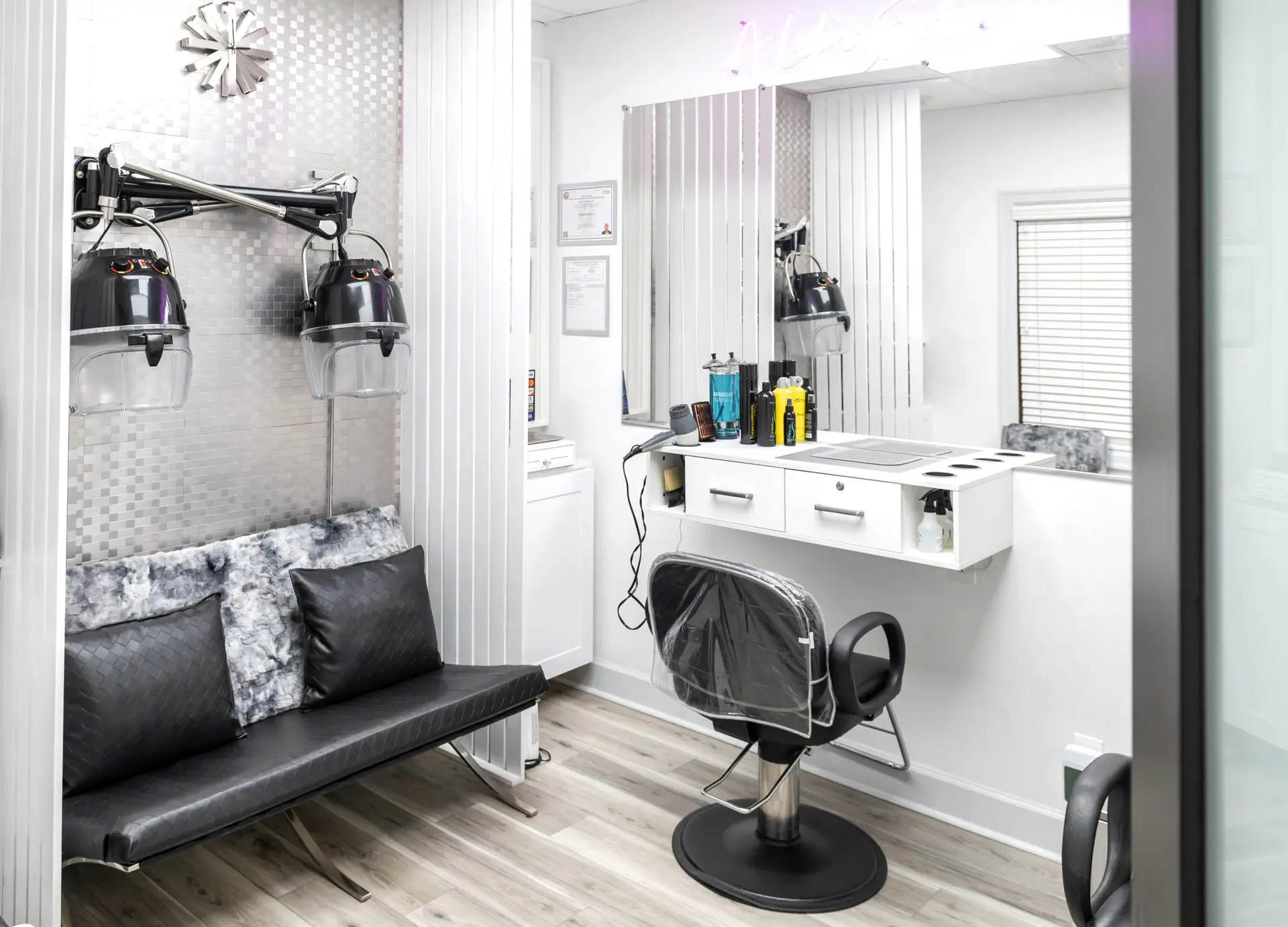
Salons by JC perfects the salon suite concept, framing it as a smart real estate investment within the booming beauty industry. As a franchisee, you provide beautiful, fully-equipped suites to independent beauty and wellness professionals who run their own businesses. This landlord-style operation means you’re managing tenants, not employees. The semi-absentee model is designed for investors seeking a scalable business with minimal overhead and strong recurring rental income, all without needing any prior salon experience.
Great Clips
As one of the most recognized names in hair care, Great Clips offers a straightforward, value-focused business model. Franchisees benefit from massive brand awareness and a system built around customer convenience, including popular features like online check-in. The company provides extensive training and support systems designed to help new owners get their locations up and running efficiently, making it a popular entry point for franchising in the salon industry.
Sport Clips
Sport Clips has successfully captured a specific and loyal market by creating a salon experience tailored to men and boys. Its signature sports-themed environment and targeted services have cultivated a dedicated customer base that returns again and again. For franchisees, Sport Clips delivers a well-defined concept with robust marketing support and a proven operational playbook, making it a compelling choice for investors who appreciate a business with a clear and focused audience.
Food and Beverage
The food and beverage industry is home to some of the most iconic franchise brands on the planet. While the market is certainly competitive, this sector runs on constant, unwavering consumer demand. A top-tier turnkey food franchise provides an incredibly refined system that covers everything from global supply chain logistics and national marketing campaigns to detailed staff training protocols. These brands have invested decades into perfecting their models, offering new owners a clear and well-trodden path to follow from day one.
McDonald’s
McDonald’s is the quintessential turnkey franchise. With unparalleled global brand recognition, its operational systems are legendary for their precision and efficiency. Franchisees receive world-class training and plug into a business model that has been tested and refined for generations. While the initial investment is substantial, it grants access to one of the most powerful and supportive business systems ever created.
Subway
Subway offers a more accessible entry point into the quick-service food space, often with a lower initial investment than its competitors. The business model is relatively simple, focusing on fresh ingredients and sandwiches customized for each guest. Franchisees receive comprehensive training and ongoing support, with a flexible store footprint that can work in a wide variety of locations, from traditional strip malls to airports and college campuses.
Dunkin’
Dunkin’ has built an empire on daily rituals, creating a fiercely loyal following around its coffee, donuts, and breakfast items. For millions of customers, a trip to Dunkin’ is a non-negotiable part of their day, which translates into consistent and predictable revenue streams. Dunkin’ provides its franchisees with a complete operational package, including site selection assistance, powerful marketing programs, and a streamlined supply chain.
Retail and Services
The retail and services sector is filled with turnkey opportunities that meet essential consumer needs. These franchises often become indispensable parts of their local communities, providing everything from critical shipping services to accessible fitness facilities. The strongest models in this space are built on a foundation of convenience, reliability, and deep brand trust. They offer investors a chance to own a practical business that serves a clear, everyday purpose for a broad and diverse customer base.
7-Eleven
As a global leader in the convenience store market, 7-Eleven offers a truly comprehensive turnkey package. The corporation often assists with finding, acquiring, and even building out the store for its franchisees. Owners tap into a world-class supply chain, powerful brand recognition, and sophisticated inventory management technology. This support allows franchisees to focus on serving their neighborhoods with the products people need, whenever they need them.
The UPS Store
The UPS Store has become a go-to hub for shipping, printing, and a wide range of small business services. This franchise benefits from the immense trust associated with the UPS brand while fulfilling a vital B2B and B2C need. The business model is service-oriented, which means no perishable inventory to manage. Franchisees receive extensive training and support to become a one-stop shop for local businesses and residents alike.
Planet Fitness
Planet Fitness has transformed the gym industry with its welcoming “Judgement Free Zone” and incredibly affordable membership fees. This high-value, low-cost model attracts a massive and diverse member base, creating a recurring revenue stream that is highly predictable. The franchise provides a complete playbook for new owners that covers everything from pre-sale marketing to daily operations, making it an attractive option for investors looking to enter the thriving fitness market.
Your Roadmap to a Successful Launch
Once you’ve decided a turnkey franchise is the right move, the journey to opening your doors begins. While the franchisor provides the blueprint, you are the one who brings it to life. Think of this phase as a structured, collaborative project where you follow a proven path to get your business up and running. A strong franchisor, like Salons by JC, will guide you through every stage, from initial paperwork to your grand opening. This roadmap breaks down the key milestones you’ll hit along the way, ensuring you’re prepared for a smooth and successful launch. Following these steps methodically will help you build a solid foundation for your new venture and set you up for long-term growth.
Do Your Research and Due Diligence
Even with a ready-made business model, doing your homework is the most critical first step. This is where you verify that the opportunity is as good as it looks on paper. Start by thoroughly reviewing the Franchise Disclosure Document (FDD), which contains 23 sections detailing the company’s history, fees, rules, and financial performance. It’s also essential to speak with current and former franchisees to get an unfiltered perspective on their experience. Ask them about the support they receive, their profitability, and any challenges they’ve faced. This firsthand insight is invaluable for making an informed decision.
Create Your Financial Plan
With your research complete, it’s time to build a comprehensive financial plan. This goes beyond the initial franchise fee and covers the full scope of your investment. You’ll need to account for real estate costs, suite build-out, equipment, insurance, and working capital to cover expenses before you start generating revenue. Work with your financial advisor to project your cash flow for the first few years and determine your break-even point. Securing financing is often a part of this step, and a solid business plan will be essential for any loan application. Understanding your numbers inside and out gives you the confidence to manage your business effectively from day one.
Handle the Legal Requirements
Navigating the legal side of franchising is crucial for protecting your investment. Before signing anything, have a lawyer who specializes in franchise law review the franchise agreement. They can help you understand your rights and obligations, negotiate specific terms, and identify any potential red flags. You’ll also need to establish your business as a legal entity, such as an LLC or corporation, and obtain the necessary federal, state, and local licenses and permits to operate. Getting your legal structure right from the start ensures you’re compliant and helps shield you from personal liability.
Select the Right Location
For a business like Salons by JC, the right location is everything. A great turnkey franchisor won’t leave this to chance. You’ll receive extensive franchisee support with site selection, including demographic analysis, traffic pattern studies, and lease negotiation assistance. The goal is to find a visible, accessible spot in an area with a strong customer base of both beauty professionals and their clients. The franchisor’s real estate team has the experience to identify promising locations that meet the brand’s specific criteria, taking much of the guesswork out of this critical decision.
Map Out Your Launch Timeline
One of the biggest advantages of a turnkey model is the speed at which you can open. Instead of spending years developing a concept, you can be in business within months. Your franchisor will provide a detailed timeline covering every milestone, from signing the agreement to your grand opening. This includes phases for site selection, lease signing, construction and build-out, pre-opening marketing to lease your suites, and hiring your concierge. Having a clear, structured timeline keeps the project on track and ensures all the moving parts come together for a seamless launch.
Best Practices for Running Your Franchise
Once you’ve signed the papers and cut the ribbon, your journey as a franchise owner truly begins. The beauty of a turnkey model is that the foundation is already laid for you, which means you can direct your energy toward running the business effectively from day one. Adopting a few key practices will help you protect your investment and set the stage for long-term growth. Think of these as the core habits of successful owners—the routines that transform a new location into a thriving local hub. It’s less about reinventing the wheel and more about keeping it spinning smoothly, ensuring every aspect of your business reflects the quality of the brand you represent.
Manage Day-to-Day Operations
In a semi-absentee model like Salons by JC, managing daily operations doesn’t mean you’re tied to the front desk. Instead, your role is to be the strategic leader. This involves hiring a reliable concierge to be the face of your location and implementing the systems provided by the franchisor to keep things running efficiently. Your focus should be on oversight: reviewing performance reports, managing finances, and ensuring your facility is impeccably maintained. The turnkey business model is designed to streamline these tasks, freeing you up to work on the business, not just in it.
Maintain Quality Control
As a franchisee, you are the guardian of the brand’s reputation in your community. Maintaining quality control is about delivering a consistent, premium experience that meets and exceeds expectations. For a salon suite business, this means ensuring the common areas are always clean, modern, and welcoming, and that all equipment is in perfect working order. Upholding these high standards is what attracts top-tier beauty professionals to your suites and, in turn, their clients. This commitment to quality is non-negotiable; it’s what builds trust and loyalty, ensuring your location is known for its excellence.
Market Your Business and Retain Customers
Your primary customers are the independent beauty professionals who rent your suites. Your marketing efforts should focus on attracting and keeping them. This starts with local outreach to stylists, estheticians, and other specialists, showcasing what makes your location the best place for them to grow their own businesses. Once they’re in, retention becomes key. Foster a supportive community, offer pristine amenities, and be a responsive landlord. The franchisor provides a wealth of marketing support and resources, but your local, personal touch is what will build a loyal base of tenants who are proud to call your location home.
Train and Develop Your Team
Even with a lean staff, investing in your team is essential. Your concierge is more than just a receptionist; they are a community manager, a problem-solver, and a critical touchpoint for all the beauty professionals in your building. Proper training ensures they understand the brand’s values and can provide outstanding support. Equip them with the knowledge and authority to handle daily issues, manage inquiries, and contribute to a positive, professional atmosphere. A well-trained and empowered team member is one of your greatest assets, ensuring your business runs smoothly whether you’re on-site or not.
How to Grow and Scale Your Business
Once your first franchise location is up and running smoothly, your focus will naturally shift toward growth. The beauty of a turnkey model like Salons by JC is that it’s built for scalability. You’ve already invested in a proven system, and the path to multi-unit ownership is a well-trodden one. Scaling isn’t just about opening more doors; it’s about building a real estate empire and creating long-term wealth. This is where you transition from being a business owner to a strategic investor, managing a portfolio of assets that generate consistent, semi-passive income.
But successful scaling requires a plan. It involves more than just repeating the steps you took for your first location. You need to think strategically about your performance, your expansion timeline, and even your eventual exit. By focusing on the right metrics and leveraging the support of your franchisor, you can create a sustainable growth trajectory. The goal is to build a valuable portfolio that aligns with your financial goals and lifestyle, giving you the freedom and security you’re looking for. The following steps will help you map out a clear path from a single unit to a thriving multi-location enterprise.
Monitor Your Performance
Before you can think about expanding, you need a crystal-clear picture of how your current location is doing. Franchises have a higher success rate because they use a proven business model, and your job is to make sure you’re executing that model effectively. This means regularly tracking your key performance indicators (KPIs). For a salon suite business, this includes metrics like suite occupancy rates, tenant retention, and average revenue per suite. Consistent monitoring helps you spot trends, address issues before they become problems, and identify what’s working well. Your franchisor provides the playbook and often the tools to track these numbers, giving you benchmarks to measure your success against. This data-driven approach is the foundation for smart growth.
Plan for Multi-Unit Expansion
With a successful first unit, expanding your portfolio becomes the logical next step. This is where the franchisor’s support system becomes invaluable. As you grow, the franchisor provides training and ongoing help to ensure you succeed across multiple locations. Start by creating a realistic expansion plan. Work with your franchisor to identify promising new territories, understand the demographic requirements, and secure the necessary financing. Their expertise in site selection, lease negotiation, and build-out can save you significant time and money. Having a clear roadmap for your second, third, and fourth locations allows you to scale thoughtfully and sustainably, building on the success of your initial investment.
Create Your Exit Strategy
Thinking about your exit strategy from day one isn’t pessimistic—it’s smart business. Whether you plan to sell in ten years, pass the business to your children, or transition into a more passive ownership role, having a clear goal helps you build a more valuable asset. A well-run franchise with clean financials, high tenant satisfaction, and a strong reputation is far more attractive to a potential buyer. When you eventually decide to sell, you’ll want to ensure the price is fair and reflects the hard work you’ve put in. Building a business that can thrive without your daily involvement not only gives you more freedom now but also maximizes its value for a future exit.
Build Long-Term Value
Ultimately, scaling your franchise is about building long-term value. Turnkey businesses already have a proven way to make money, which significantly lowers your risk and provides a solid foundation for growth. Your focus should be on creating a stable, recession-resistant asset that appreciates over time. In the salon suite model, this means fostering a vibrant community for your beauty professionals to keep occupancy high and turnover low. A strong community and a well-maintained property are key drivers of value. By focusing on operational excellence and strategic growth, you transform your initial franchise investment into a powerful wealth-building engine.
Related Articles
- The Top 10 Franchise Businesses to Own in 2025
- 7 Steps to Owning a Salon Franchise: A 2025 Guide
- How to Open a Beauty Salon: A Step-by-Step Guide
Frequently Asked Questions
Is a turnkey franchise truly a ‘hands-off’ investment? Not exactly, but it’s designed to be free from the headaches of a startup. While the franchisor handles the entire build-out process, your role as the owner is to provide strategic leadership once the doors open. Think of yourself as the director, not a day-to-day operator. Your focus will be on managing your finances, guiding your small team, and making high-level decisions to drive growth, rather than getting caught up in the operational weeds.
Why should I pay more for a turnkey model instead of a traditional franchise? You’re essentially investing in speed and certainty. The higher initial cost covers the immense value of having experts manage your site selection, lease negotiation, and construction. This allows you to open faster and start generating revenue sooner. It also significantly reduces the risk of making costly mistakes during the complex setup phase, giving you a clear and proven path to follow from the very beginning.
What if I have no experience in the beauty industry? Can I still succeed? Absolutely. A strong turnkey franchise is built on a system that works, regardless of your background. The franchisor provides comprehensive training on everything you need to know to run the business successfully. Your job isn’t to be a beauty expert; it’s to be a great business owner who can execute a proven model, lead a team, and manage your investment wisely.
What kind of support can I expect from the franchisor after my business is open? The support shifts from setup to growth. After your launch, a great franchisor provides continuous guidance to help you operate efficiently and profitably. This often includes ongoing coaching, access to national marketing resources, regular performance reviews, and a strong network of fellow franchisees you can learn from. The goal is to ensure you have a partner dedicated to your long-term success.
How does a turnkey model make it easier to own multiple locations? A turnkey model provides a repeatable blueprint for success. Once you’ve launched your first location, you already know the process inside and out. The franchisor’s expert teams for real estate and development are ready to help you do it all over again, making the path to your second or third location much smoother. This scalability is a key reason investors choose this model to build a portfolio of assets.