Author
Eliana RodriguezPublished
May th, 2026Category
BlogA+ Retail Locations for a Salon Suite Franchise
An A+ retail locations franchise strategy can shape how quickly a salon suite location attracts tenants, fills private suites, and builds long-term rental income. For salon suite investors, the right site is not simply the nicest available space. It is a market position that combines affluent consumers, visible access, secure surroundings, strong population density, and enough professional beauty demand to support 30 to 50 private suites.
Want to understand how location fits into the Salons by JC model? Explore the salon suite franchise model.
Salon suite location criteria matter because this is a real estate-based franchise model. The franchisee is not relying on one stylist, one service menu, or one retail product line. The location supports independent beauty and wellness professionals who lease private suites and serve their own clients. That means the site has to appeal to two audiences at once: the professionals who decide where to run their businesses and the clients who decide where they feel comfortable visiting regularly.
A strong retail center can create confidence before a prospect ever tours a suite. A weak site can create friction before the business has a chance to prove itself. For investors comparing salon suite opportunities, location quality should be evaluated with the same discipline used for any significant real estate decision.
Why Location Quality Matters in Salon Suite Franchising
A salon suite franchise generates revenue by leasing private suites to independent professionals. The quality of the location can influence occupancy, rental rate potential, tenant retention, and brand perception. When a stylist or esthetician evaluates a suite, they are not only looking at square footage. They are asking whether their clients will find the space, feel safe arriving there, and view the environment as consistent with the personal brand they are building.
That is why the best salon suite location criteria go beyond basic lease terms. Investors should look at the full ecosystem surrounding the property. Does the trade area include people who spend consistently on beauty and wellness? Is the retail center easy to reach from nearby neighborhoods and commuting corridors? Is the parking convenient? Is the center clean, professionally managed, and secure? Is there enough demand from beauty professionals who want independence without taking on a traditional salon lease?
Salons by JC is built around premium private suites, full-time concierge support, and a semi-absentee ownership structure. Those advantages are strongest when the site itself supports the promise. A location in a well-known, secure retail center can make the model easier to understand for both tenants and their clients.
What Defines an A+ Retail Location for Salon Suites?
An A+ retail location is a site that gives the franchise the best available combination of market demand, visibility, access, tenant appeal, and operational practicality. It does not always mean the most expensive address in the market. It means the site has the fundamentals needed to support long-term suite occupancy.
For a salon suite franchise, A+ usually includes several factors working together:
- Affluent surrounding households: Beauty and wellness spending tends to be stronger where residents have discretionary income.
- High visibility: The center should be easy to notice from major roads, intersections, or established retail corridors.
- Convenient access: Clients need simple entry, exit, and parking, especially for recurring appointments.
- Secure, well-maintained surroundings: Beauty professionals want their clients to feel comfortable visiting during daytime, evening, and weekend hours.
- Strong professional demand: The market should include enough stylists, barbers, nail technicians, estheticians, massage therapists, and other professionals who want suite independence.
- Appropriate space configuration: The property has to support the build-out of private suites, common areas, utilities, signage, and operational flow.
The goal is not to check one box. The goal is to identify a site where the trade area, center quality, build-out feasibility, and tenant demand support one another.
Affluent Markets Support Beauty and Wellness Spending
Affluence matters because salon suite tenants rely on repeat client spending. A professional can be talented and still struggle if the surrounding market does not support regular hair, skin, nail, grooming, or wellness appointments. Investors should evaluate household income, consumer lifestyle patterns, and nearby residential growth before committing to a site.
For Salons by JC, the target franchisee profile often includes high-net-worth investors evaluating a real estate-based business in the beauty industry. The customer base inside the trade area deserves the same level of scrutiny. A strong market should include consumers who can afford recurring personal care services, value privacy, and appreciate a premium environment.
Affluence also affects tenant positioning. Independent professionals often use private suites to elevate their own brands. They may want to offer specialized services, create a more private client experience, or move beyond the limitations of a commission salon. A strong surrounding demographic gives those professionals a better case for investing in their own space.
That does not mean every successful location must be in the highest-income neighborhood in a region. It means the investor should understand whether the income profile, lifestyle patterns, and beauty spending potential match the rental expectations for the suites.
Visibility Helps Tenants and Clients Trust the Location
Visibility is not just an advertising benefit. In salon suites, visibility builds trust. A professional beauty tenant wants to invite clients to a place that feels established and easy to find. A client who turns into a familiar retail center with clear signage experiences less friction than one who has to search for a hidden entrance or second-tier building.
A visible location can also help with tenant recruitment. Beauty professionals evaluating several suite options may give more weight to a center they already know from daily life. If the property sits near grocery anchors, fitness centers, restaurants, medical offices, or other service-based tenants, it can feel more credible than an isolated location with limited traffic.
Investors should review visibility from major approach routes, signage rights, lighting, and the clarity of the entrance. A center may have strong traffic counts but poor visibility if the space is tucked away or difficult to identify. The better question is practical: Would a first-time client find this location without frustration?
Secure Retail Centers Improve the Client Experience
Security and comfort are especially important for salon suite location criteria because appointments often happen outside traditional office hours. Clients may visit before work, after work, or on weekends. Professionals may access their suites independently. The site should support that pattern with a clean, well-lit, and professionally managed environment.
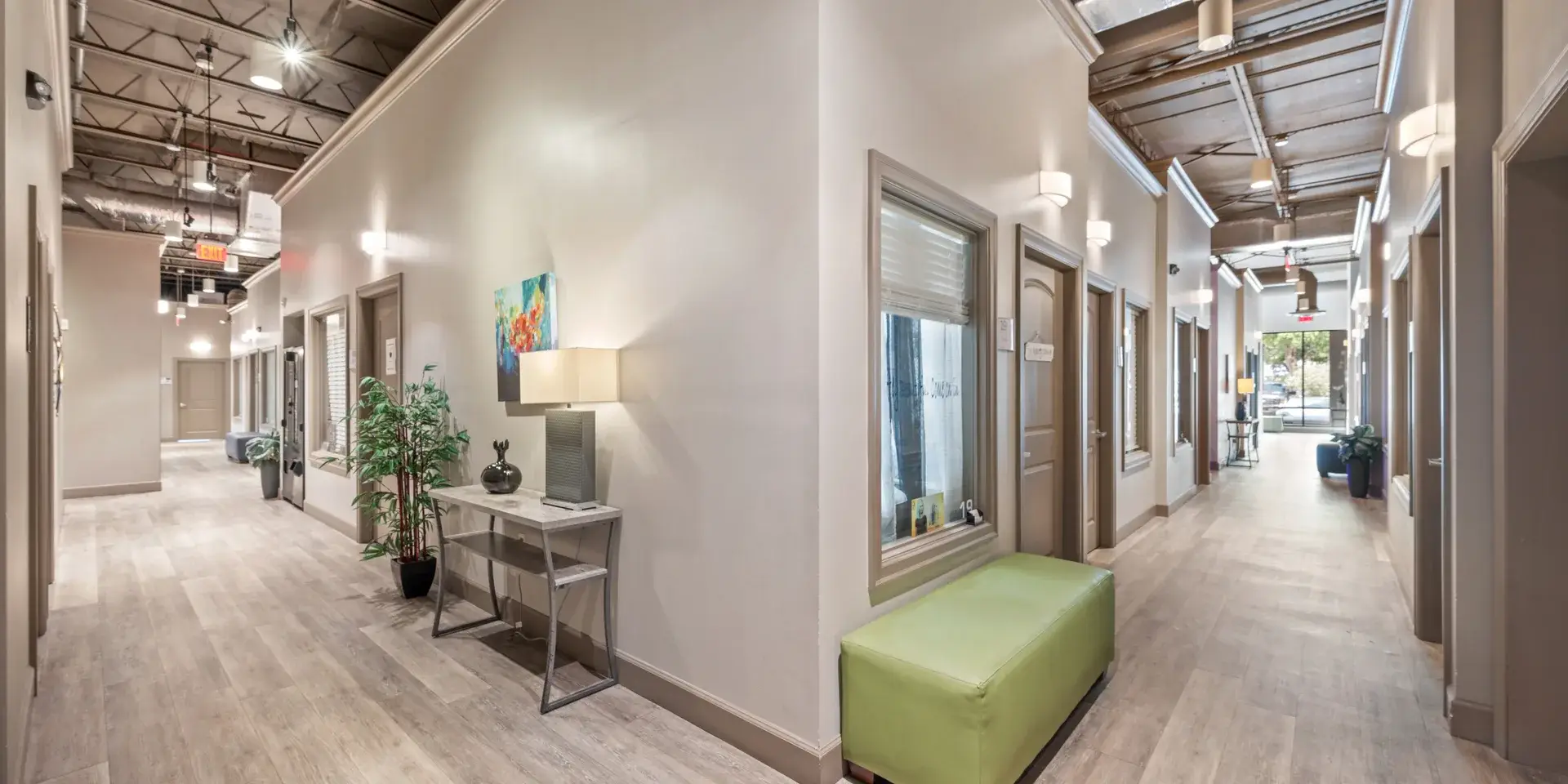
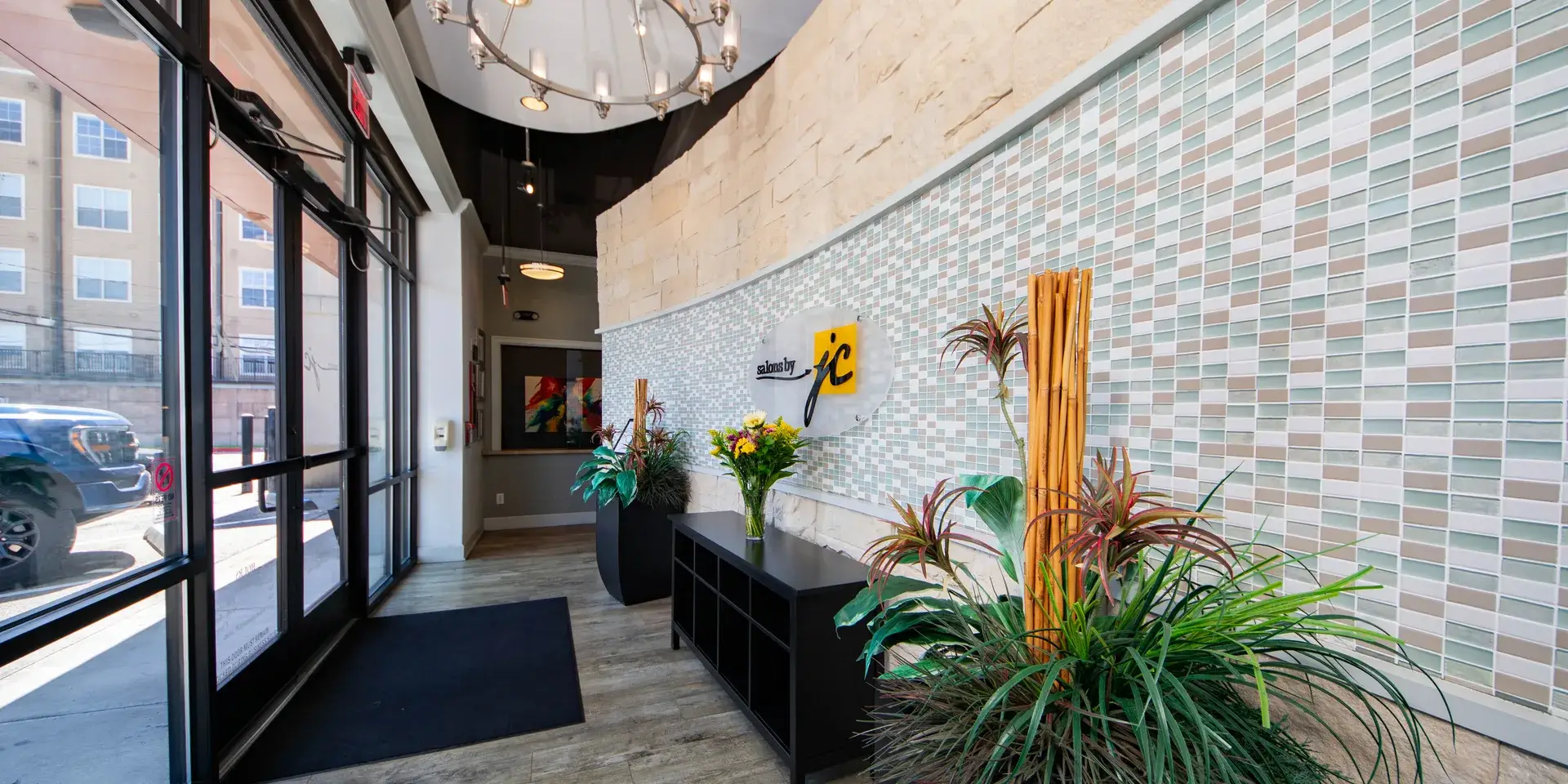
Salons by JC locations include private salon suites, 24/7 access security systems, and concierge support as part of the model. The surrounding center should reinforce that sense of professionalism. Investors should pay attention to parking lot lighting, neighboring tenants, property maintenance, access control, visibility from nearby businesses, and general center reputation.
A secure retail center also helps tenants feel confident signing and renewing suite agreements. If professionals know their clients are comfortable visiting the location, they have one less reason to relocate. Over time, that can support more stable occupancy and stronger tenant relationships.
Need help evaluating the site selection process? See how Salons by JC supports franchisees from real estate search through opening.
Population Density Creates a Larger Demand Pool
Population density matters on both sides of the salon suite model. A location needs enough consumers to support appointment demand and enough beauty professionals to fill private suites. A thinly populated area may have loyal customers, but it can limit the number of professionals who see the site as a growth opportunity.
Investors should evaluate population within realistic drive times, not only within city boundaries. A five-mile radius can tell part of the story, but commute patterns, road networks, neighborhood barriers, and shopping habits often matter just as much. A site near growing residential areas, office corridors, medical districts, and retail destinations may reach more people than a map suggests.
The right density also depends on competitive supply. A dense market with too many salon suite options may be less attractive than a growing suburban market with strong demand and limited premium suite inventory. This is where territory evaluation and site evaluation need to work together. The strongest site is usually one that sits inside a healthy trade area with room for a differentiated, premium salon suite concept.
For deeper market analysis, investors can also review how to evaluate a salon suite franchise territory before narrowing to a specific address.
Professional Beauty Demand Drives Occupancy
Consumer demand is only half the equation. A salon suite franchise also needs a strong pool of independent beauty and wellness professionals. These tenants are the revenue engine of the business. They pay weekly rent, build relationships with their clients, and contribute to the energy of the location.
When evaluating professional demand, investors should look for signs that local providers are ready for independence. That may include a strong base of hairstylists, barbers, estheticians, nail technicians, massage therapists, lash artists, brow specialists, and other personal care professionals. It may also include traditional salons in the area, beauty schools, established service demand, and a market culture that supports personal branding.
The best tenants are not simply looking for a room. They are looking for a place where they can operate their own business with privacy, professionalism, client comfort, and support. A premium retail site can help them justify that move. It gives them a stronger story to tell their clients and a more professional backdrop for their services.
Tenant demand also connects directly to retention. Salons by JC reports an industry-leading 92% tenant renewal rate, and the location contributes to the conditions that make renewals more likely. A professional who can retain clients, grow revenue, and enjoy a polished work environment has more reason to stay.
How Investors Can Evaluate a Potential Salon Suite Site
Investors should approach site evaluation like a structured due diligence process. The following checklist can help organize the decision before lease negotiations move too far:
1. Confirm the market fundamentals
Review household income, population growth, nearby employment, residential density, traffic corridors, and consumer spending patterns. The goal is to understand whether the surrounding market can support recurring beauty and wellness services.
2. Study the professional supply
Map the number of beauty and wellness professionals in the area. Look at salons, barbershops, spas, beauty schools, independent providers, and competing suite concepts. A strong market should include both tenant demand and room for differentiation.
3. Evaluate the retail center
Look beyond the available square footage. Review anchor tenants, co-tenants, parking, lighting, maintenance, access, signage, property management, and the overall feel of the center. Ask whether an independent professional would be proud to bring clients there.
4. Test access and convenience
Drive the site from major neighborhoods at different times of day. Check turning movements, parking availability, traffic backups, and how easy it is to identify the entrance. Convenience has a direct impact on recurring appointment behavior.
5. Review build-out feasibility
A salon suite location requires a thoughtful layout, utilities, plumbing, common areas, security, and premium finishes. The space should support the physical requirements of the model without creating avoidable construction complexity.
6. Compare rent to revenue potential
A site can be attractive and still fail financially if lease economics do not align with realistic suite rents and occupancy timing. Investors should evaluate rent, tenant improvement allowances, build-out costs, ramp-up assumptions, and expected rental rates together.
Common Site Selection Mistakes to Avoid
Many real estate mistakes begin with overemphasizing one factor. A beautiful center with weak beauty demand may underperform. A dense market with difficult parking may frustrate clients. A low-rent space in a hidden location may cost more in slow leasing than it saves on monthly rent.
Investors should be cautious about these common errors:
- Choosing the lowest rent instead of the strongest value.
- Assuming high traffic automatically means strong tenant demand.
- Ignoring parking, lighting, and after-hours comfort.
- Underestimating the importance of signage and easy wayfinding.
- Overlooking competing suite inventory in the trade area.
- Focusing only on consumers and not enough on the professional tenant pool.
- Signing a lease before understanding build-out complexity.
The best site is not always the flashiest one. It is the one that gives the franchise the strongest path to occupancy, tenant satisfaction, client convenience, and long-term cash flow.
How Salons by JC Supports Site Selection
Site selection is one of the most important parts of the franchise development process. Salons by JC supports franchisees with real estate guidance, construction management, training, grand opening support, and ongoing coaching. That support matters because most investors are not trying to become full-time salon operators. They are evaluating a semi-absentee, real estate-based business model that requires strong systems.
The model is designed around 30 to 50 private suites, premium spaces, concierge services, and recurring rental income from independent professionals. The location has to support that full operating system. When the real estate, build-out, tenant market, and consumer demand align, the site becomes a stronger foundation for the business.
Investors should use franchisor support, independent due diligence, and professional real estate advice together. No single metric can decide the site. The best decisions come from comparing demographic data, local market knowledge, lease economics, and the practical experience of building salon suite locations.
Review the investment requirements, financial qualifications, and ownership options on the Salons by JC investment page.
A Practical Scorecard for A+ Retail Locations
Before advancing a site, investors can score each category from 1 to 5. A location does not need a perfect score, but weak marks in multiple categories should prompt deeper review.
| Category | What to Review | Why It Matters |
|---|---|---|
| Affluent trade area | Income, housing, lifestyle, discretionary spending | Supports recurring beauty and wellness demand |
| Visibility | Road exposure, signage, center awareness | Helps clients find the location and tenants trust it |
| Access | Parking, turns, drive times, entrance clarity | Reduces friction for repeat appointments |
| Security and comfort | Lighting, maintenance, neighboring tenants, reputation | Improves client and tenant confidence |
| Professional demand | Beauty workforce, salon density, suite competition | Influences occupancy and tenant recruitment |
| Build-out fit | Layout, utilities, suite count, construction needs | Affects cost, timeline, and operating flow |
| Lease economics | Rent, allowances, term, escalation, assumptions | Determines whether the site can support target returns |
This kind of scorecard creates discipline. It helps investors compare multiple sites without being swayed by one attractive feature. It also makes conversations with the franchisor, broker, lender, and construction team more productive.
The Bottom Line on Salon Suite Location Criteria
A+ retail locations are not just nice addresses. For a salon suite franchise, they are strategic assets that influence tenant recruitment, client comfort, occupancy, rental rate potential, and long-term retention. The strongest sites combine affluent consumers, strong visibility, secure retail settings, practical access, professional beauty demand, and lease economics that support the business model.
Investors should evaluate salon suite location criteria with the same discipline they would bring to any major real estate-backed investment. The right site gives independent professionals a place where they can grow their businesses and gives the franchisee a stronger foundation for recurring rental income.
Salons by JC offers a model designed for qualified investors who want exposure to the beauty industry through private suites, professional support, and semi-absentee ownership. Location is one of the clearest ways to protect that opportunity from the start.
Ready to evaluate available markets? Learn how Salons by JC supports franchisees through site selection, build-out, and operations.