Author
Mega AIPublished
Apr th, 2026Category
BlogFranchising is one of the most reliable paths to business ownership, and the numbers prove it. The International Franchise Association projects the franchise sector will contribute over $900 billion to the U.S. economy in 2026, with franchise establishments growing by more than 20,000 units year over year. For first-time entrepreneurs, that growth represents a rare combination: a proven business model, built-in brand recognition, and corporate support from day one.
Quick Answer: The best franchises to own for beginners in 2026 include Salons by JC (semi-absentee salon suites), Chick-fil-A (low buy-in fast food), Kona Ice (low-cost mobile food), FASTSIGNS (B2B signage), Dream Vacations (home-based travel), and Visiting Angels (senior care). Key traits to look for: structured training, no experience required, proven unit economics, and recession-resistant industries.
But not every franchise is built for beginners. Some demand deep industry expertise, hands-on management around the clock, or seven-figure capital reserves that put them out of reach for most first-time buyers. The best franchises to own for beginners share a few critical traits: structured training programs, manageable startup costs, scalable operations, and business models that do not require prior experience in the industry.
This guide breaks down the top franchise opportunities across multiple industries, explains what makes a franchise beginner-friendly, and walks through the evaluation criteria you should use before signing a franchise agreement.
What Makes a Franchise Beginner-Friendly?
Before diving into specific brands, it helps to understand the factors that separate a beginner-friendly franchise from one that demands years of operational experience.
Strong Training and Onboarding Programs
The best franchises for beginners provide comprehensive training that covers everything from daily operations to marketing and financial management. Look for franchisors that offer a structured onboarding timeline, in-person training at corporate headquarters, and ongoing support after launch.
Low Operational Complexity
Franchises with streamlined operations, such as a single employee to manage or a semi-absentee ownership model, reduce the learning curve. The fewer moving parts in daily operations, the easier it is for a first-time owner to gain confidence and scale.
Proven Unit Economics
A beginner-friendly franchise should have transparent financial performance data, typically found in Item 19 of the Franchise Disclosure Document (FDD). Strong unit economics give new owners a clear picture of revenue potential and break-even timelines.
No Industry Experience Required
Many of the best franchise opportunities explicitly state that no prior experience is needed. The franchisor’s systems, training, and support infrastructure are designed to bring anyone up to speed, regardless of their professional background.
Recession-Resistant Industry
First-time franchise owners benefit from operating in industries with stable or growing demand. Sectors like home services, health and wellness, food service, and beauty are historically resilient during economic downturns, providing a safety net for newer operators. For a deeper look at which industries hold up best, see our guide to recession-proof franchises.
10 Best Franchises to Own for Beginners in 2026
1. Salons by JC (Salon Suite Franchise)
Investment Range: $1.3M – $2M
Liquid Capital Required: $500K
Franchise Fee: Contact for details
Industry: Beauty & Wellness / Real Estate
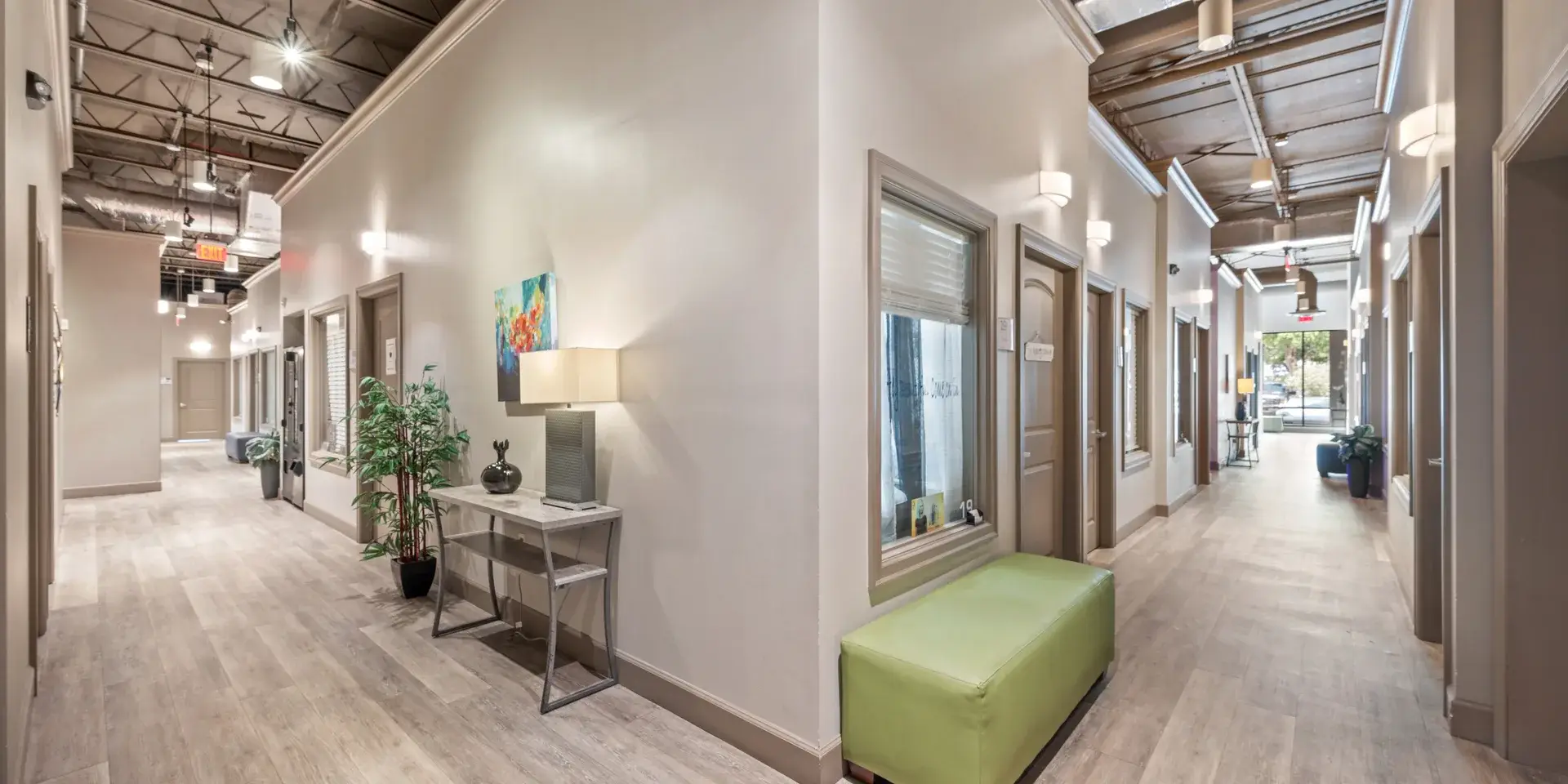
Salons by JC is a luxury salon suite franchise that has operated successfully for over 25 years, with more than 160 locations across 26 states and Canada. What makes it stand out as a top franchise for beginners is its semi-absentee ownership model. Franchisees do not need any salon or beauty industry experience because each location is staffed with a full-time Concierge Manager who handles daily operations, tenant support, and client experience.
This model effectively makes Salons by JC a real estate investment wrapped in a franchise system. Owners collect rental income from individual salon suites leased to independent beauty and wellness professionals, while the Concierge Manager runs the day-to-day business. That structure gives first-time owners the operational freedom to learn the business without being tied to the location full time.
Why it works for beginners:
- Semi-absentee model with a single on-site employee (Concierge Manager)
- No salon or beauty industry experience required
- Turnkey buildout process with corporate construction support
- Recession-resistant industry with a 92% tenant renewal rate
- Ranked on the Entrepreneur 500 list multiple times
- Exclusive partnership with Vagaro for technology and booking tools
Request franchise information from Salons by JC ->

2. Chick-fil-A (Quick-Service Restaurant)
Investment Range: $342K – $2M (operator investment as low as $10K)
Liquid Capital Required: $10K (unique model)
Franchise Fee: $10,000
Industry: Food & Beverage
Chick-fil-A has one of the most accessible franchise entry points in the restaurant industry. The $10,000 franchise fee is a fraction of what competitors charge, and the company covers most real estate and construction costs. In return, operators commit to hands-on management. While the low buy-in appeals to beginners, the trade-off is that Chick-fil-A requires active, full-time involvement from the franchisee.
Why it works for beginners:
- Extremely low initial investment for the franchisee
- Comprehensive training program (multi-week onboarding)
- Industry-leading brand loyalty and customer demand
- Strong corporate marketing and supply chain support
3. Kona Ice (Mobile Food Franchise)
Investment Range: $102K – $189K
Liquid Capital Required: $25K
Franchise Fee: $15,000
Industry: Food & Beverage
Kona Ice consistently ranks among the top franchises for first-time owners. The mobile shaved ice model keeps overhead low since there is no brick-and-mortar lease to negotiate. Franchisees operate from branded trucks at events, schools, and community gatherings. The business is seasonal in some markets, but the low startup costs and simple operations make it ideal for entrepreneurs testing the waters of franchise ownership.
Why it works for beginners:
- Low startup and operating costs
- No permanent storefront required
- Simple product and operations model
- Strong community engagement and repeat business
4. FASTSIGNS (Signage and Visual Communications)
Investment Range: $215K – $377K
Liquid Capital Required: $80,000
Franchise Fee: $49,750
Industry: Business Services
FASTSIGNS operates in the B2B signage and visual communications space, serving businesses that need everything from storefront signs to trade show displays. The franchise model benefits from recurring commercial clients and relatively low competition in most markets. No design or printing experience is required because FASTSIGNS provides extensive training in production, sales, and business management.
Why it works for beginners:
- B2B model with recurring revenue from commercial clients
- No industry experience required
- Strong training program covering sales, production, and management
- Multiple revenue streams (signs, banners, vehicle wraps, digital displays)
5. Dream Vacations (Home-Based Travel Franchise)
Investment Range: $2,590 – $21,870
Liquid Capital Required: $3,500
Franchise Fee: $495 – $9,800
Industry: Travel & Hospitality
Dream Vacations is one of the lowest-cost franchise options available, making it particularly attractive for beginners who want to start a business without significant financial risk. The home-based model eliminates overhead costs, and franchisees earn commissions by booking travel for clients. The parent company provides booking tools, preferred supplier relationships, and marketing support.
Why it works for beginners:
- Minimal startup costs (under $22K total investment)
- Home-based operation with no storefront
- Flexible schedule ideal for part-time or side-hustle entrepreneurs
- Corporate support for supplier relationships and technology
6. Visiting Angels (Senior Care Franchise)
Investment Range: $125K – $171K
Liquid Capital Required: $65K
Franchise Fee: $43,900
Industry: Healthcare / Senior Services
The aging U.S. population makes senior care one of the fastest-growing franchise sectors. Visiting Angels provides non-medical home care services, meaning franchisees do not need a medical background. The franchise model focuses on recruiting, training, and managing caregivers who provide in-home assistance to elderly clients. Demand for these services is projected to grow significantly through 2030 and beyond.
Why it works for beginners:
- No medical or healthcare experience required
- Growing demand driven by aging demographics
- Recurring revenue from ongoing care relationships
- Low initial investment relative to healthcare businesses
Interested in a franchise that runs itself? See how Salons by JC’s Concierge Manager model works.
7. Great Clips (Hair Salon Franchise)
Investment Range: $186K – $434K
Liquid Capital Required: $75K
Franchise Fee: $20,000
Industry: Personal Services
Great Clips is the largest hair salon brand in North America, with more than 4,400 locations. The franchise benefits from a simple, high-volume business model: affordable haircuts with no appointment needed. Multi-unit ownership is common, and the brand offers a semi-absentee management structure for experienced operators. First-time owners appreciate the brand’s walk-in model, which generates consistent foot traffic.
Why it works for beginners:
- High brand recognition drives walk-in traffic
- Recurring revenue (customers return every 4-8 weeks)
- Proven multi-unit expansion path
- Strong training and operational systems
8. Christian Brothers Automotive (Auto Repair Franchise)
Investment Range: $520K – $645K
Liquid Capital Required: $85,000
Franchise Fee: $160,000
Industry: Automotive Services
Christian Brothers Automotive focuses on honest, relationship-driven auto repair. The brand consistently earns top satisfaction scores among franchisees and customers. While the initial investment is higher than some options on this list, the franchise provides a complete turnkey buildout, marketing launch plan, and ongoing operational support. No automotive experience is required.
Why it works for beginners:
- Turnkey buildout and launch process
- High franchisee satisfaction ratings
- Repeat customers and recurring maintenance needs
- Closed on Sundays, promoting work-life balance
9. AdvantaClean (Home Restoration and Cleaning)
Investment Range: $95K – $210K
Liquid Capital Required: $50K
Franchise Fee: $45,000
Industry: Home Services
AdvantaClean provides environmental and restoration services including mold remediation, moisture control, air duct cleaning, and water damage restoration. The home services industry is recession-resistant because property maintenance is non-negotiable for homeowners and businesses. AdvantaClean is part of the Home Franchise Concepts family, which provides strong training and operational support across its portfolio of brands.
Why it works for beginners:
- Essential, recession-resistant services
- Low overhead compared to retail-based franchises
- Scalable territory-based model
- Comprehensive training covering technical and business skills
10. Burn Boot Camp (Fitness Franchise)
Investment Range: $197K – $423K
Liquid Capital Required: $100K
Franchise Fee: $50,000
Industry: Fitness & Wellness
Burn Boot Camp is a boutique fitness franchise focused on community-driven, high-intensity training. The brand has grown rapidly due to its emphasis on member retention and a supportive community culture. Franchise owners do not need personal training certifications because the company provides trainers and a structured workout curriculum.
Why it works for beginners:
- Growing boutique fitness market
- Community-focused model drives member retention
- Corporate-supplied workout programming and trainer support
- Strong brand culture and franchisee network

How to Evaluate a Franchise Before You Buy
Comparing franchise opportunities is about more than investment costs. Here are the key factors every first-time buyer should evaluate:
Review the Franchise Disclosure Document (FDD)
The FDD is a legally required document that provides 23 items of detailed information about the franchise, including litigation history, financial performance representations, and franchisee turnover rates. Item 19 (Financial Performance Representations) and Item 20 (Outlets and Franchisee Information) are particularly important for beginners.
Talk to Existing Franchisees
Every FDD includes a list of current and former franchisees. Contact at least 5-10 owners to ask about their experience with training, support, profitability timelines, and any challenges they faced during their first year.
Assess the Total Cost of Ownership
The franchise fee is only one component of the total investment. Factor in real estate, buildout costs, equipment, initial marketing spend, working capital, and ongoing royalty fees. A franchise that looks affordable on paper may carry significant hidden costs.
Understand the Ownership Model
Some franchises require full-time, hands-on management. Others, like Salons by JC’s semi-absentee model, allow owners to maintain other career or investment commitments while the business operates under professional management. Your preferred level of involvement should guide your decision.
Evaluate Training and Ongoing Support
For beginners, the quality of training and support can make or break the first year. Ask franchisors about the length and format of initial training, the availability of field support after opening, and the technology tools provided for business management.
Franchise Comparison Table
| Franchise | Industry | Investment Range | Beginner-Friendly Features |
|---|---|---|---|
| Salons by JC | Beauty/Real Estate | $1.3M – $2M | Semi-absentee, no experience needed, concierge manager |
| Chick-fil-A | Food & Beverage | $342K – $2M | Low franchisee buy-in ($10K), top training |
| Kona Ice | Food & Beverage | $102K – $189K | Low cost, mobile, simple operations |
| FASTSIGNS | Business Services | $215K – $377K | B2B recurring revenue, no design experience needed |
| Dream Vacations | Travel | $2.5K – $22K | Home-based, minimal overhead |
| Visiting Angels | Senior Care | $125K – $171K | Growing market, no medical background needed |
| Great Clips | Personal Services | $186K – $434K | High brand recognition, recurring revenue |
| Christian Brothers | Automotive | $520K – $645K | Turnkey buildout, high satisfaction |
| AdvantaClean | Home Services | $95K – $210K | Recession-resistant, low overhead |
| Burn Boot Camp | Fitness | $197K – $423K | Community model, no certification needed |
What First-Time Franchise Owners Get Wrong
Underestimating Working Capital
Many beginners budget for the franchise fee and buildout but forget they need 6-12 months of working capital to cover operating expenses before the business reaches profitability. Always plan for a slower ramp-up than the franchisor projects.
Choosing Based on Brand Name Alone
A recognizable brand does not guarantee success in your market. Research local demand, competition, and demographics before committing. A lesser-known franchise in a high-demand sector may outperform a household name in a saturated market.
Skipping Due Diligence on the Franchisor
Franchisee turnover rates, litigation history, and support quality vary significantly between brands. A franchisor’s reputation matters as much as its brand. Check Item 3 (Litigation) and Item 20 (Outlets) in the FDD for red flags.
Frequently Asked Questions
What is the easiest franchise to start as a beginner?
Home-based franchises like Dream Vacations offer the lowest barrier to entry, with minimal startup costs and no storefront. For investors seeking a more substantial business with hands-off operations, salon suite franchises like Salons by JC provide a turnkey system with full-time on-site management and no industry experience required.
How much money do I need to start a franchise?
Franchise investments range from under $10,000 (home-based models) to over $2 million (full-scale commercial operations). Most beginner-friendly franchises fall in the $100K-$500K range. Your liquid capital, net worth, and financing options will determine which opportunities are realistic.
Can I own a franchise with no experience?
Yes. Many franchise systems are specifically designed for owners with no prior industry experience. The franchisor provides all necessary training, operational systems, and ongoing support. Brands like Salons by JC, FASTSIGNS, and Visiting Angels all welcome first-time owners without relevant background.
What is a semi-absentee franchise?
A semi-absentee franchise allows the owner to oversee the business without managing daily operations full time. These models rely on a general manager or, in the case of Salons by JC, a dedicated Concierge Manager who handles tenant relations, facility management, and client experience. Semi-absentee models are popular among investors and career-changers who want to maintain other commitments while building a franchise portfolio.
How long does it take for a franchise to become profitable?
Most franchises reach break-even within 12-24 months, though timelines vary by industry, location, and investment size. Review the financial performance representations in the FDD and speak with current franchisees to set realistic expectations.
Start Your Franchise Journey
Franchising offers a structured path to business ownership that reduces many of the risks associated with starting from scratch. The best franchises to own for beginners combine proven systems, comprehensive training, and industries with strong demand.
If you are evaluating franchise opportunities with a focus on semi-absentee ownership, recurring rental income, and a nationally recognized brand, explore the Salons by JC franchise model to learn how the salon suite industry is helping first-time owners build scalable real estate portfolios in the beauty and wellness space.