Author
Eliana RodriguezPublished
Jun th, 2026Category
BlogThe salon suite rental income model is a business model built around leasing private suites to independent beauty and wellness professionals. Instead of operating a traditional salon with employees, a Salons by JC franchisee develops a premium suite environment where professionals can run their own businesses. The franchisee focuses on location quality, suite occupancy, tenant experience, and consistent operations.
That distinction matters for investors. Recurring suite rent can create a more understandable revenue structure than a service-based salon model, but recurring does not mean automatic. Results depend on the market, site selection, lease terms, costs, local demand, management, and execution. This guide explains how the model works, what can influence occupancy, and why franchise support matters.
How does the salon suite rental income model work?
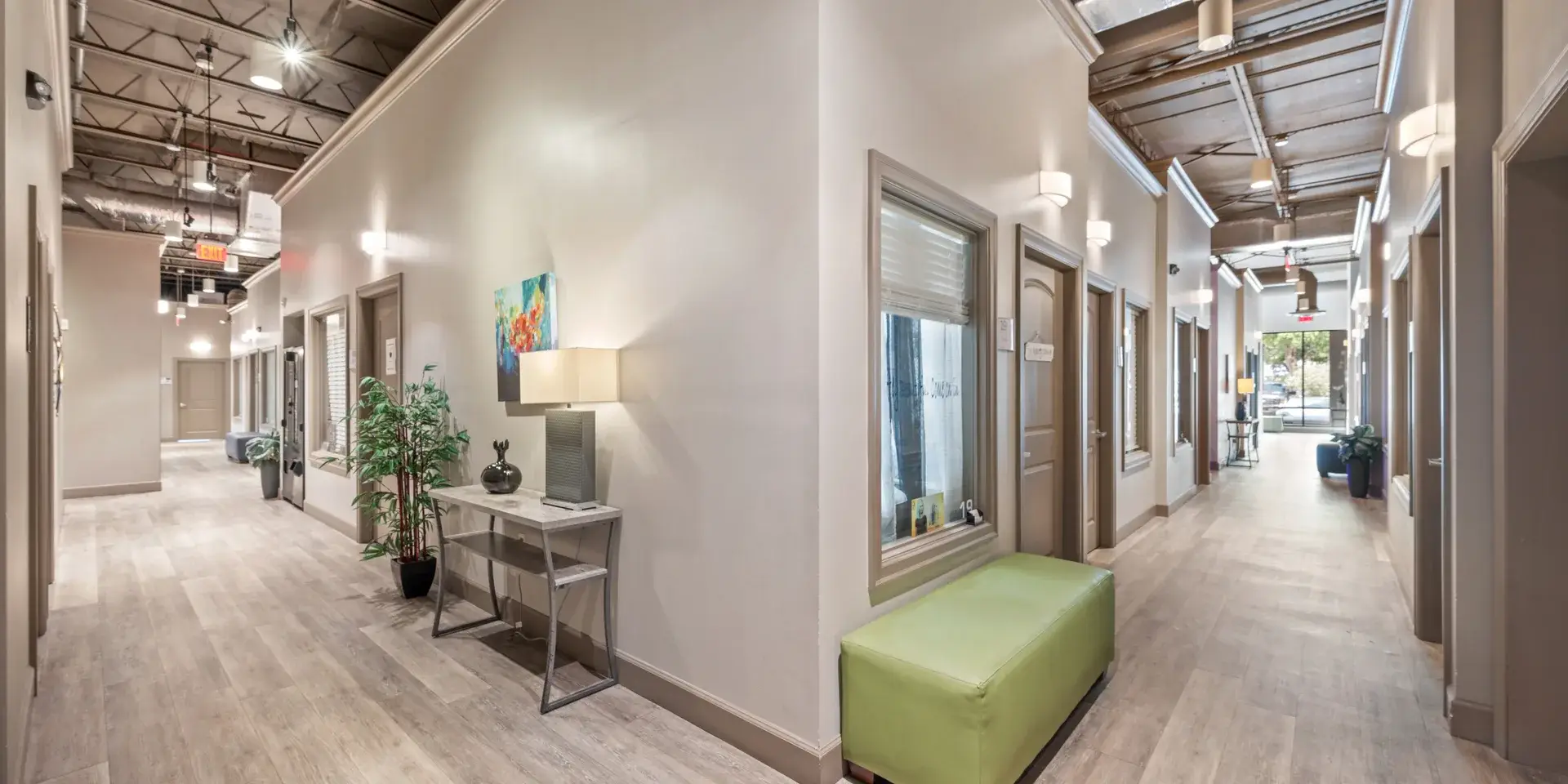
A salon suite franchise begins with a commercial location that is designed and built out as a collection of private suites. Salons by JC brand materials describe locations with approximately 30 to 50 suites. Those suites are rented to independent beauty and wellness professionals who want a private setting for their businesses.
The professionals can include hairstylists, barbers, nail artists, estheticians, massage therapists, and other qualified providers. Each professional serves their own clients and operates their own independent business within the suite environment. The franchisee is not running a commission salon or managing each professional’s appointment book.
Private suites create the rental structure
The model turns a larger commercial space into individual rental units designed for beauty and wellness services. Revenue is driven primarily by leased suites. If a location has more occupied suites and retains professionals over time, it has a stronger base of recurring rent. If suites sit vacant, revenue is affected.
This is why the Salons by JC business model should be evaluated as an operating business. The physical buildout creates the suite inventory, but performance depends on leasing, retention, local reputation, and day-to-day execution.
The model is semi-absentee, not zero-involvement
Salons by JC positions the opportunity as a semi-absentee model. Brand materials describe franchisees typically spending 10 to 15 hours per week on the business. A Concierge Manager supports daily operations at the location, while the franchisee maintains oversight and makes important business decisions.
Investors should not treat the model as a guaranteed passive-income product. It is a real operating business with recurring rental mechanics. The distinction is important: the goal is to build a stable suite-rental environment, not to assume a commercial space will fill itself.
What shapes recurring rental revenue?
Recurring rental revenue is influenced by a simple relationship: available suites, occupied suites, and rent collected over time. The simplicity is useful, but the inputs require active planning. A franchisee needs to understand the suite count, lease-up plan, market conditions, retention strategy, operating costs, and commercial lease obligations.
Approved Salons by JC materials cite average weekly suite rent of approximately $300, a maturity occupancy target of 85% to 95%, and typical break-even near 60% occupancy. These are planning benchmarks, not promises. Actual pricing, occupancy, timing, expenses, and financial results vary by location and execution.
| Revenue driver | Why it matters | Investor question |
|---|---|---|
| Available suites | The completed suite count establishes the location’s rental inventory. | How many suites fit the site without compromising the tenant experience? |
| Occupancy | Occupied suites generate rent, while vacancies reduce collected revenue. | What is the lease-up plan, and how will vacancies be addressed? |
| Rental pricing | Pricing influences both revenue and the location’s fit for the local market. | What pricing is appropriate for the market, suite type, and amenities? |
| Retention | Longer tenant relationships can reduce the operational pressure of replacing move-outs. | How will the location deliver a consistently professional experience? |
| Operating costs | Rent collected is not the same as profit. Commercial lease, staffing, maintenance, and other costs matter. | Which expenses are fixed, variable, or sensitive to local conditions? |
Recurring revenue is not guaranteed revenue
Rental payments can provide a repeatable revenue mechanism, but the business still has operating risk. A location can experience vacancies, tenant turnover, changing market conditions, unexpected expenses, or slower lease-up. A thoughtful investor evaluates both the revenue opportunity and the responsibilities required to support it.
Why does location selection matter for occupancy?
Location selection is one of the most important drivers in the salon suite rental income model. A beautiful buildout cannot compensate for a site that is inconvenient for professionals or their clients. The location should support the daily realities of independent service businesses.
Salons by JC brand materials identify target markets with a population of more than 75,000 and median household income above $65,000. These benchmarks help frame the search, but they do not replace due diligence. Local competition, traffic patterns, surrounding businesses, visibility, parking, accessibility, and commercial lease terms also deserve careful review.
Professionals evaluate the client experience
An independent professional is not only comparing weekly rent. They are considering whether clients can find the location, park conveniently, arrive comfortably, and associate the space with a premium experience. Those details can affect leasing interest and retention.
Suite mix also matters. A site should be designed with an understanding of the local professional community and the services it may support. The objective is not simply to maximize the number of doors. The objective is to build a useful, credible environment that professionals can choose for their businesses.
Commercial terms affect the revenue picture
Site evaluation also requires a disciplined view of costs. Commercial rent, buildout requirements, operating expenses, and lease structure all influence the location’s economics. Investors should review these factors alongside expected suite demand instead of evaluating a market from demographics alone.
Location selection is therefore both a real estate decision and an operating decision. It affects the supply of suites, the appeal of the environment, the ability to recruit professionals, and the costs that must be covered by collected rent.
How does the tenant experience support retention?
Tenant experience is central to occupancy because the professionals are the location’s customers. A salon suite franchise should provide more than four walls and a door. It should offer a polished, reliable setting where independent professionals can focus on serving their clients and building their businesses.
Salons by JC describes its suites as a small-business incubator for beauty and wellness professionals. That positioning changes the operating mindset. The franchisee is not managing a roster of employees. The franchisee is helping maintain an environment where independent businesses can operate professionally.
Consistency helps build trust
Common areas should feel welcoming. Operational questions should receive timely responses. Maintenance issues should be addressed. Professionals should understand how the location functions and who can help when an issue arises. These details can influence whether a professional views the suite as a long-term base for their business.
A strong tenant experience can also support referrals within the local professional community. That does not guarantee occupancy, but it can strengthen the location’s reputation as suites become available. Retention and leasing remain ongoing operational priorities.
The Concierge Manager supports daily operations
The Concierge Manager is an important part of the Salons by JC semi-absentee model. This role helps support the day-to-day location experience. The franchisee still maintains oversight, reviews performance, and makes decisions, but the manager helps keep operations responsive and consistent.
What support helps franchisees manage the model?
A franchise opportunity is not only a floor plan and a brand name. Investors should understand the systems and support that help them evaluate sites, prepare the location, lease suites, manage the tenant experience, and maintain operational visibility.
Salons by JC provides a framework for the model while preserving the franchisee’s responsibility to oversee the business. Prospective investors can review the company’s franchisee support resources to understand the available guidance in more detail.
Support matters before and after opening
Before opening, investors need clarity around site selection, buildout planning, and the local opportunity. After opening, the focus shifts toward lease-up, occupancy, tenant retention, location operations, and performance monitoring. Each stage requires different decisions.
The Concierge Manager supports daily activity, but semi-absentee does not mean hands-off. Franchisees should expect to review the business, manage the manager, monitor key numbers, and respond when performance requires attention.
A repeatable model still requires execution
Systems can reduce unnecessary guesswork. They can help an investor understand the operating rhythm and the metrics that deserve attention. They cannot eliminate local market risk or replace engaged oversight. The strongest evaluation asks how the model, market, location, and operating plan fit together.
How should investors evaluate a salon suite opportunity?
A disciplined review helps investors separate a compelling concept from an appropriate opportunity. The following sequence creates a practical starting point.
- Understand the rental mechanics. Review how private suites create the revenue base, how occupancy affects collected rent, and how operating expenses affect the broader financial picture.
- Evaluate the market. Consider population, household income, local professional demand, competition, client access, parking, and visibility. Use demographic benchmarks as filters, not guarantees.
- Review the site and suite plan. Understand the proposed suite count, suite mix, buildout requirements, commercial lease terms, and the experience the site can offer professionals and their clients.
- Plan for lease-up and retention. Ask how suites will be introduced to the local beauty and wellness community, how vacancies will be tracked, and how a professional tenant experience will be maintained.
- Clarify operating oversight. Understand the Concierge Manager role and the franchisee’s ongoing responsibilities. Determine how performance will be reviewed and how decisions will be made.
- Review the investment requirements. Study the available franchise investment information and discuss the opportunity with the franchise team before making assumptions.
This process makes the salon suite rental income model easier to evaluate without oversimplifying it. The recurring nature of suite rent is attractive because it is understandable. The quality of the opportunity still depends on careful decisions and consistent execution.
What should investors understand about projections?
Projected occupancy, rental revenue, and break-even timing should be treated as planning inputs, not guaranteed outcomes. Every location operates in a particular market with its own commercial lease, buildout, professional community, competition, costs, and management decisions.
Important disclaimer: Financial results vary based on location, management, market conditions, costs, lease terms, and execution. Salons by JC does not guarantee occupancy, rental income, break-even timing, profit, or business success.
Investors should ask what assumptions sit behind every projection. If a model uses an occupancy percentage, ask how long lease-up may take and how turnover is reflected. If it uses an estimated rental price, ask whether that rate fits the local market. If it discusses recurring revenue, ask which expenses must be covered before the business reaches its goals.
A responsible evaluation does not dismiss the value of benchmarks. It puts them in context. The model becomes more useful when investors understand which levers they can influence, which risks they need to monitor, and which outcomes depend on local conditions.
Frequently asked questions
What is a salon suite rental income model?
A salon suite rental income model is built around renting private suites to independent beauty and wellness professionals. The franchisee develops and oversees the location, while the professionals run their own businesses from individual suites.
Is salon suite rental income guaranteed?
No. Recurring rent is the model’s revenue mechanism, not a guarantee. Occupancy, rent collected, expenses, break-even timing, and results vary based on market conditions, location, management, lease terms, and execution.
What affects occupancy in a salon suite franchise?
Occupancy can be influenced by local demand, site accessibility, parking, visibility, competition, suite mix, pricing, tenant experience, responsive operations, and retention. The location and operating plan should be evaluated together.
Does a franchisee need beauty-industry experience?
Salons by JC materials state that franchisees do not need beauty-industry experience. The opportunity is designed for investors who can oversee an operating business, follow systems, and support a professional suite environment.
Is the Salons by JC model fully passive?
No. Salons by JC describes the opportunity as semi-absentee. A Concierge Manager supports daily operations, while the franchisee remains responsible for oversight and key business decisions.
Request more information about Salons by JC
The salon suite rental income model combines real estate, recurring rent, and operational oversight in a business built for independent beauty and wellness professionals. If you want to explore the model, market considerations, support, and next steps, connect with the Salons by JC franchise team.