
Author
Mega AIPublished
Mar th, 2026Category
BlogThe average franchise owner in the United States earns between $80,000 and $120,000 per year, though income varies widely by industry, location, and number of locations owned. Multi-unit operators can exceed $250,000 annually. Franchise costs, including franchise fees, royalties, and operating expenses, directly determine how much a franchise owner takes home. Franchise ownership is one of the most popular paths to business ownership in the United States, but the first question most prospective investors ask is straightforward: how much do franchise owners make? The answer depends on your industry, business model, location, and level of involvement, but the data paints a clear picture of what realistic expectations look like. In this guide, we break down average franchise owner income by industry, explain the franchise costs that affect your take-home pay, and show you how to evaluate whether owning a franchise is worth the investment. Considering franchise ownership? Request free franchise information from Salons by JC to explore a proven semi-absentee model with strong ROI potential.
Average Franchise Owner Income in 2026
The average franchise owner earns between $80,000 and $120,000 per year, according to data from Franchise Business Review, ZipRecruiter, and the International Franchise Association. ZipRecruiter places the national average at approximately $112,777 annually, while Franchise Business Review reports a median of around $118,000 for food and beverage operators with at least two years in business. These numbers represent a midpoint. Single-unit franchise owners in their first two years often earn less than $50,000, while experienced multi-unit operators can exceed $250,000 or more annually. Glassdoor reports a median total compensation (including profit sharing and bonuses) of approximately $240,000 for franchise owners, though this figure skews higher because it includes well-established multi-unit operators. The key takeaway: a franchise owner’s income is not a fixed salary. It is the profit remaining after all business expenses, and it varies significantly based on several factors we will break down below.
How Franchise Owners Actually Get Paid
Unlike traditional employees, a franchise owner does not receive a fixed paycheck from a corporate employer. Instead, income comes from the profits generated by the business. There are three primary ways franchise owners pay themselves:
Owner’s Draw
The most common method. After paying all operating expenses, including rent, labor, supplies, royalties, and marketing fees, the remaining profit is available for the owner to draw from. This amount fluctuates monthly based on business performance.
Salary on Payroll
Some franchise owners put themselves on the company payroll and pay themselves a fixed salary, similar to any other employee. This provides income predictability but reduces the reported business profit. A typical owner salary ranges from $50,000 to $80,000, with additional income coming from profit distributions.
Dividends and Distributions
Owners who structure their business as an S-Corp or LLC may take a combination of salary and quarterly profit distributions. This approach can offer tax advantages and is more common among multi-unit operators. Understanding the distinction between business profit and owner income is critical. A franchise may generate $200,000 in annual profit, but if the owner pays themselves a $75,000 salary, the remaining $125,000 shows as retained earnings or distributions, not “salary.”
Franchise Owner Income by Industry
Earnings vary dramatically by industry. Here is what the data shows for common franchise categories:
| Industry | Typical Annual Owner Income | Key Characteristics |
|---|---|---|
| Home Services (cleaning, landscaping, plumbing) | $75,000 – $200,000 | Low overhead, high margins, recurring revenue |
| Fast-Casual Restaurants | $80,000 – $250,000 | High revenue but significant labor and food costs |
| Health and Wellness (fitness, med spa) | $60,000 – $180,000 | Membership-based recurring revenue |
| Salon Suites and Beauty | $80,000 – $175,000 | Rental income model, lower labor costs |
| Senior Care and Staffing | $70,000 – $200,000 | Growing demand, labor-intensive operations |
| Retail and Convenience | $50,000 – $120,000 | Higher overhead, inventory costs |
| Education and Tutoring | $60,000 – $150,000 | Seasonal demand, lower startup costs |

Franchise owners in service-based industries tend to see higher profit margins because operating costs are lower. Industries with a rental income model, like salon suite franchises, can be particularly attractive because revenue is generated through recurring lease payments rather than per-transaction sales.
The Real Costs of Owning a Franchise
Before you can calculate how much a franchise owner makes, you need to understand the costs that come out of gross revenue. Every franchise has a unique cost structure, but these are the standard categories:
Franchise Fee
The franchise fee is the upfront, one-time payment to the franchisor for the right to operate under their brand. Franchise fees typically range from $20,000 to $50,000, though some premium brands charge $50,000 or more. This fee covers initial training, brand access, and operational systems.
Ongoing Royalty Fees
Most franchisors charge a royalty fee, usually calculated as a percentage of gross revenue. The industry standard is 4% to 8% of gross sales. For a franchise generating $500,000 in annual revenue, that translates to $20,000 to $40,000 paid to the franchisor each year.
Marketing and Advertising Fees
In addition to royalties, most franchise systems require contributions to a national or regional marketing fund. These fees typically range from 1% to 4% of gross revenue.
Startup and Build-Out Costs
Total franchise cost, including the franchise fee, real estate, build-out, equipment, and initial inventory, varies widely:
| Franchise Category | Typical Total Investment |
|---|---|
| Home Services | $50,000 – $200,000 |
| Quick-Service Restaurant | $250,000 – $1,500,000 |
| Full-Service Restaurant | $500,000 – $3,000,000 |
| Fitness / Gym | $200,000 – $500,000 |
| Salon Suites | $500,000 – $1,500,000 |
| Retail | $200,000 – $750,000 |
Ongoing Operating Expenses
After launch, monthly costs include rent, utilities, payroll, insurance, supplies, and technology subscriptions. These recurring costs are what most directly impact how much a franchise owner takes home.
Factors That Determine Your Franchise Income
If you are researching how much do franchise owners make, the answer depends largely on these six factors that separate those earning $50,000 from those earning $250,000 or more:
1. Industry and Business Model
As the data above shows, your industry choice is the single largest determinant of income potential. A home services franchise with minimal overhead will produce different margins than a full-service restaurant with 30 employees.
2. Owner Involvement (Active vs. Semi-Absentee)
Active franchise owners who manage day-to-day operations typically earn more because they eliminate the cost of a general manager, which can run $60,000 to $80,000 per year. Semi-absentee owners trade some income for time freedom, but the right franchise model can minimize that trade-off. Franchise systems with a semi-absentee model are specifically designed for investors who want passive or semi-passive income. These models often include an onsite manager and systems that reduce the owner’s required time commitment.
3. Number of Locations
Multi-unit franchise owners consistently out-earn single-unit operators. According to Franchise Business Review, multi-unit operators average over $142,000 annually, while those with five or more units can top $214,000 per year. Scaling across multiple locations spreads fixed costs and builds operational efficiency.
4. Location and Market
Franchise owner income varies significantly by geography. ZipRecruiter data shows top-earning states include Washington ($144,941/year), New York ($143,000+), and Colorado ($134,565), while states with lower costs of living, like Florida and Alabama, average $95,000 to $116,000.
5. Time in Business
Startup franchise owners should expect lower earnings in the first one to three years. Breakeven timelines vary by industry but typically fall between 12 and 36 months. Established franchises with loyal customer bases and optimized operations generate significantly higher profit margins.
6. Brand Strength and Support
Franchise systems with strong brand recognition, proven training programs, and robust operational support give owners a measurable advantage. The Entrepreneur 500 ranking, franchise disclosure documents (Item 19), and franchisee satisfaction surveys are the best tools for evaluating brand quality before you invest.
ROI Timeline: When Do Franchise Owners Start Making Money?
Return on investment is the metric that matters most for investors evaluating franchise opportunities. Here is a realistic breakdown:
- Year 1: Most franchise owners reinvest heavily and take minimal income. Expect to focus on building the customer base, hiring staff, and refining operations. Many owners report break-even or modest profit in the range of $30,000 to $60,000.
- Year 2-3: Revenue stabilizes and operating costs become more predictable. Owner income typically reaches $80,000 to $120,000 for a well-performing single unit.
- Year 4+: Mature franchise locations with strong management can produce $120,000 to $200,000+ annually. This is also when many owners begin expanding to additional units.
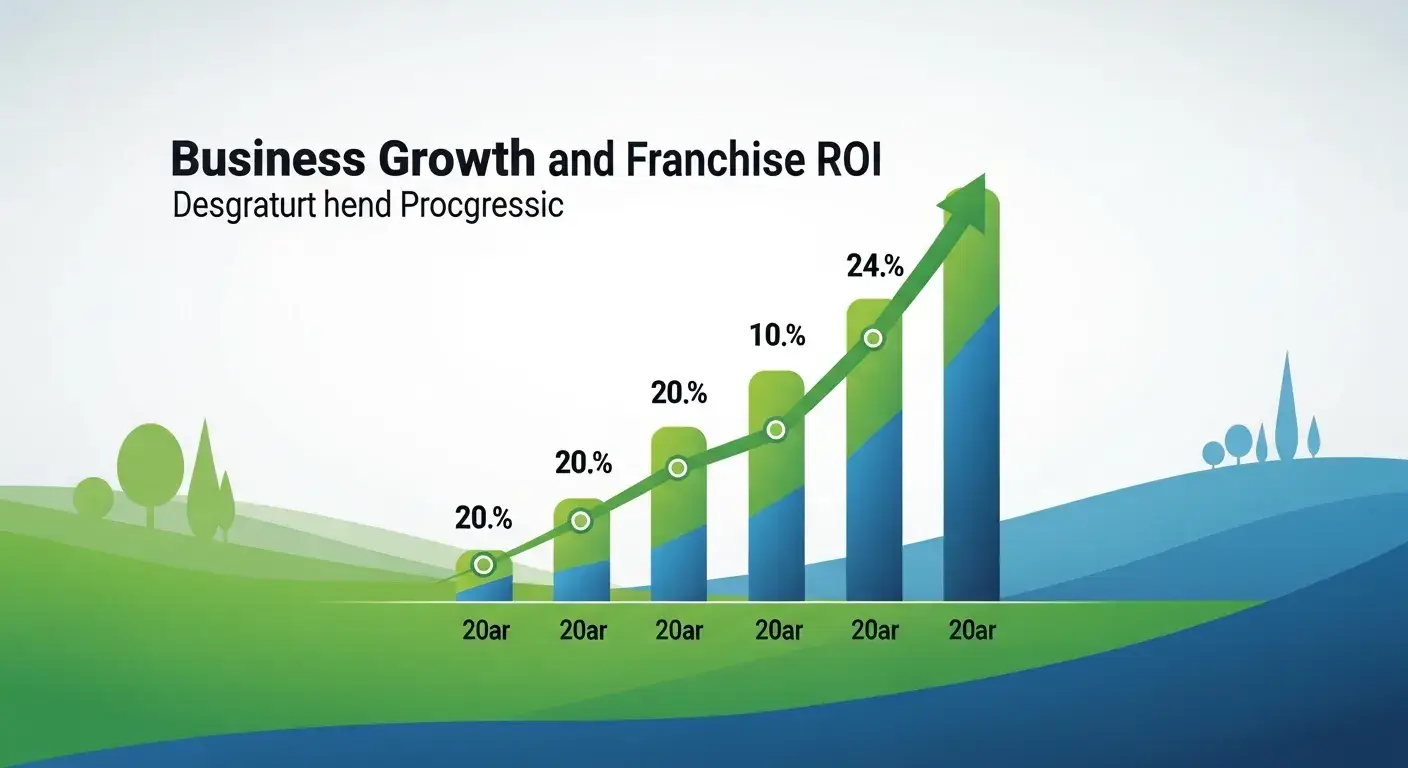
For franchise models based on rental income, like salon suite franchises, the ROI timeline can be more predictable because revenue is tied to lease agreements rather than daily customer traffic. Once suites are filled, cash flow becomes consistent and scalable. If you are evaluating investment returns, our franchise ROI guide provides a deeper breakdown of the numbers.
How to Maximize Your Income as a Franchise Owner
Based on what top-performing franchise owners do differently, here are the most impactful strategies:
Choose a Franchise With Strong Unit Economics
Before signing any agreement, review the Franchise Disclosure Document (FDD), specifically Item 19 (Financial Performance Representations). Compare average unit volume, profit margins, and franchisee satisfaction ratings across multiple brands. Strong unit economics are the foundation of strong owner income.
Invest in Multi-Unit Expansion
The path from $100,000 to $300,000+ in annual income almost always involves owning multiple locations. Look for franchise systems that support and incentivize multi-unit development, including reduced franchise fees, territory protections, and operational support for scaling.
Reduce Operating Costs Without Cutting Quality
The franchise owners who earn the most are not always the ones with the highest revenue. They are the ones who control costs most effectively. Focus on labor scheduling efficiency, vendor negotiations, energy costs, and waste reduction. A 2% improvement in operating margin on $500,000 in revenue adds $10,000 to your annual income.
Leverage Semi-Absentee or Manager-Run Models
If your franchise system offers a semi-absentee ownership model with a dedicated onsite manager, you can diversify your time across multiple investments while still generating strong returns. Salon suite franchises, for example, use an onsite Concierge Manager to handle daily operations, allowing owners to focus on growth rather than daily management.
Build Recurring Revenue Streams
Franchises with recurring revenue, whether through memberships, subscriptions, or long-term leases, provide more predictable income and higher valuations if you eventually sell the business. Passive franchise income models can help you build wealth that compounds over time.
Understanding Franchise Costs: What You Pay Before You Earn
For prospective franchise owners evaluating the full financial picture, here is a simplified breakdown of where your investment goes and what you pay on an ongoing basis:
| Cost Category | Typical Range | Frequency |
|---|---|---|
| Franchise Fee | $20,000 – $50,000+ | One-time |
| Build-Out / Real Estate | $100,000 – $1,000,000+ | One-time |
| Equipment and Inventory | $25,000 – $250,000 | One-time |
| Working Capital | $25,000 – $100,000 | One-time |
| Royalty Fee | 4% – 8% of gross revenue | Ongoing (monthly) |
| Marketing Fee | 1% – 4% of gross revenue | Ongoing (monthly) |
| Rent / Lease | $3,000 – $15,000/month | Ongoing (monthly) |
| Payroll | Varies | Ongoing (monthly) |
Understanding these costs is essential because your franchise owner income is what remains after all of them are paid. For a more detailed analysis of beauty salon franchise costs and franchise investment requirements, we have dedicated guides that walk through the numbers.
Frequently Asked Questions
How much do franchise owners make per month?
The average franchise owner in the United States earns approximately $7,000 to $10,000 per month, based on national averages between $80,000 and $120,000 annually. Multi-unit operators and owners in high-margin industries can earn $15,000 to $25,000+ per month.
How much does it cost to buy a franchise?
Total franchise cost ranges from $50,000 for low-cost service franchises to over $2,000,000 for established restaurant brands. The franchise fee alone typically runs $20,000 to $50,000, with additional costs for build-out, equipment, and working capital.
Can you make a million dollars owning a franchise?
Yes, but it typically requires owning multiple locations, choosing a high-revenue brand, and operating efficiently for several years. Multi-unit franchise operators with five or more locations in strong markets have the highest probability of reaching seven-figure income.
How long does it take to break even on a franchise?
Most franchise owners reach breakeven within 12 to 36 months, depending on the industry, total investment, and local market conditions. Franchises with recurring revenue models, such as salon suite rentals or membership-based fitness, often reach breakeven faster because revenue is more predictable. Understanding the breakeven timeline is essential for anyone researching how much do franchise owners make, because first-year earnings look very different from year-four earnings.
Is owning a franchise worth it?
For investors who choose the right brand, industry, and market, owning a franchise provides a proven system, brand recognition, and ongoing operational support that independent businesses lack. The trade-off is upfront costs, ongoing royalty fees, and less operational flexibility. The key is thorough due diligence using the FDD, franchisee references, and financial modeling before you invest. If you are evaluating franchise opportunities and want to learn more about salon suite franchise ownership, request franchise information to explore how the model works.