Author
Mega AIPublished
Aug th, 2025Category
Blog GuidesIf you have capital to invest and want recurring revenue without running day-to-day operations, a salon suite franchise deserves a close look. This model combines commercial real estate fundamentals with the $46 billion beauty industry, creating a rental income stream that requires far less hands-on management than most franchise categories.
In this guide, we break down how salon suite franchises generate passive income, what the real numbers look like, and how to evaluate whether this investment fits your portfolio.
Request a free consultation to see current territory availability and projected returns for your market.
What Is a Passive Income Franchise?
A passive income franchise is a business model where the owner earns recurring revenue without managing daily operations. The franchise system provides the brand, training, and operational playbook. The owner provides capital and oversight, while hired managers or the franchise’s built-in support structure handles everything else.
Not every franchise qualifies as truly passive. Fast food restaurants, fitness studios, and retail stores typically demand 40 to 60 hours per week from owners, especially during the first year. The franchises that come closest to passive income share three traits: rental-based revenue, low staffing needs, and systems that reduce owner involvement to a few hours per week.
Salon suite franchises check all three boxes. Instead of selling services or products, you lease private studios to licensed beauty professionals who run their own independent businesses. Your income comes from weekly rent payments, not from how many haircuts get booked on a Tuesday afternoon.
How the Salon Suite Model Generates Passive Income
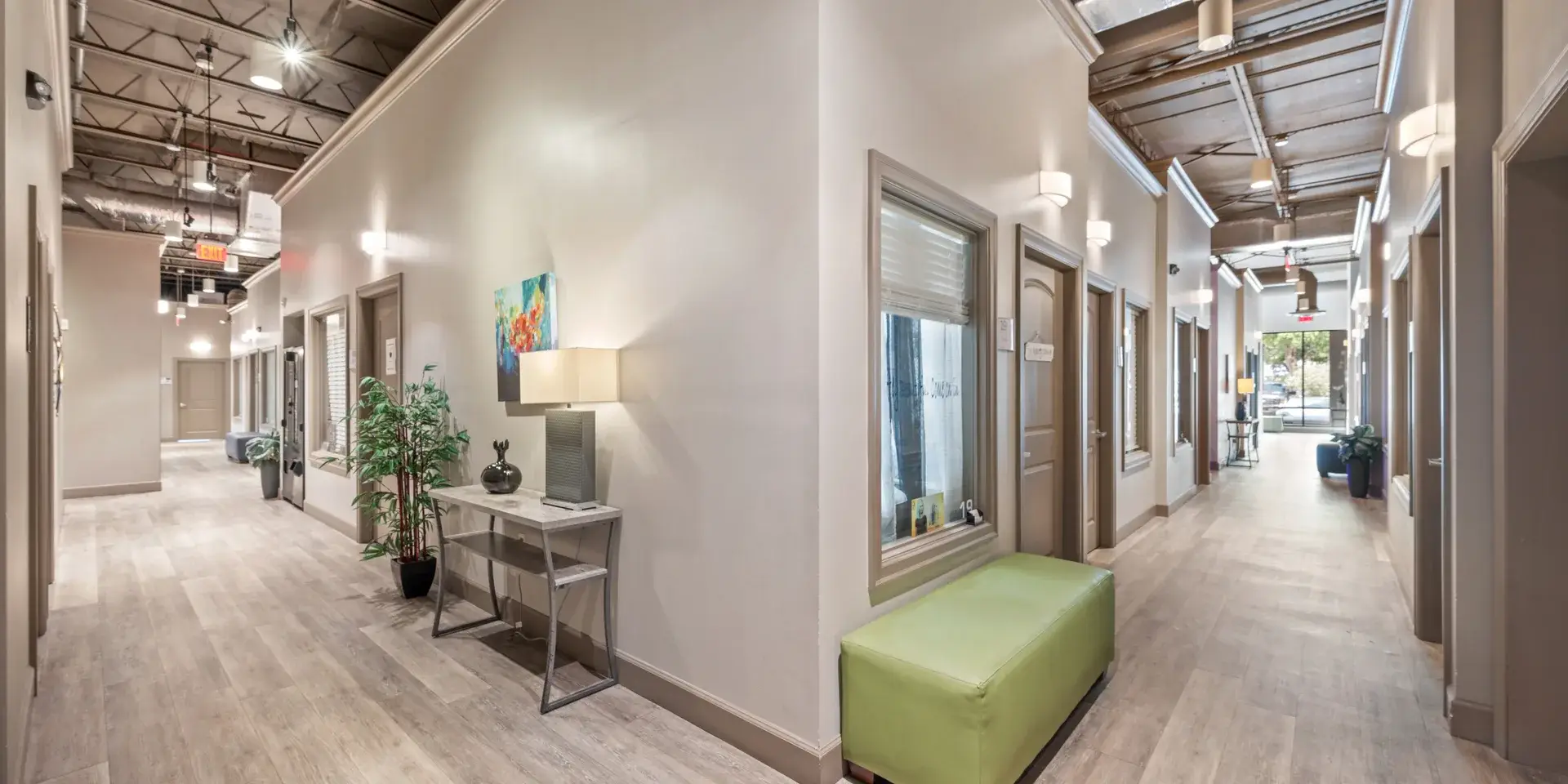
A salon suite franchise works like a specialized commercial real estate operation. You lease retail space, build out 30 to 50 private studios, and rent those suites to independent stylists, barbers, estheticians, nail technicians, and other beauty professionals. Each tenant signs their own lease, brings their own clients, and manages their own schedule.
Here is how the revenue flows:
Weekly Suite Rentals
Each suite generates weekly rent. At Salons by JC, the average rental rate is $300 per suite per week. A typical location with 30 to 50 suites produces weekly gross income between $9,000 and $15,000, translating to annual gross revenue potential of $468,000 to $780,000.
Secondary Revenue Streams
Some franchise systems add supplementary income channels. Salons by JC, for example, offers the VagaroPlus program, which generates a $1 convenience fee per transaction after 30 monthly transactions per tenant. This adds approximately 3 to 5 percent to overall ROI without requiring any additional work from the franchise owner.
Low Overhead Structure
Because your tenants are independent contractors, you do not pay salaries, commissions, or benefits. Your primary costs are the commercial lease, utilities, insurance, and a single on-site manager. This keeps operating margins strong compared to service-based franchise models where payroll can consume 40 to 50 percent of revenue.
Is Owning a Franchise Passive Income?
Owning a franchise can produce passive income, but the degree depends entirely on the model and the support system behind it. A traditional hair salon franchise, like Great Clips or Supercuts, requires employed stylists, daily scheduling, inventory management, and hands-on leadership. That is a full-time job, not passive income.
The salon suite model is fundamentally different. You are a landlord, not a salon operator. Your tenants handle their own clients, supplies, and marketing. Your role is limited to maintaining the facility, filling vacant suites, and managing the lease relationship.
What separates one salon suite franchise from another is how much operational support the franchisor provides. Some brands still require 15 to 20 hours of weekly owner involvement. Salons by JC built its model around a full-time Concierge Manager at every location, handling all daily operations from tenant relations to facility upkeep. This is what makes the difference between “low involvement” and genuinely semi-absentee ownership.
Considering a semi-absentee franchise investment? Download the financial guide to review the full investment breakdown.
What Does a Salon Suite Franchise Actually Cost?
Transparency about investment costs matters when evaluating any franchise opportunity. Here is the actual investment breakdown for a Salons by JC franchise, based on their current Franchise Disclosure Document:
- Initial Franchise Fee: $60,000
- Construction and Leasehold Improvements: $860,000 to $1,380,000
- Furniture, Fixtures, and Equipment: $230,000 to $334,000
- Professional Fees (legal, accounting): $75,000 to $89,000
- Grand Opening Marketing: $15,000 to $20,000
- Total Estimated Investment: $1,331,200 to $2,043,400
Financial qualifications include a minimum of $500,000 in liquid capital ($750,000 preferred) and a net worth of at least $2,000,000. These requirements are higher than many franchise categories, which is intentional. Higher financial qualifications correlate with stronger franchisee performance and lower failure rates.
The timeline from signing the franchise agreement to opening day typically runs 12 to 15 months, with about 6 months of that being active construction after the lease is signed.
Salon Suite Franchise vs Traditional Salon Ownership
| Factor | Traditional Salon Franchise | Salon Suite Franchise |
|---|---|---|
| Revenue Source | Service fees per appointment | Fixed weekly suite rentals |
| Staffing | 10 to 20+ employed stylists | 1 on-site manager |
| Owner Time Commitment | 40 to 60 hours per week | Semi-absentee (a few hours per week) |
| Income Predictability | Fluctuates with bookings | Stable recurring leases |
| Industry Experience Needed | Usually required | Not required |
| Scalability | Limited by hiring capacity | Replicate the model in new territories |
For a deeper dive into this comparison, read our complete comparison guide.
What Returns Can You Expect?
Performance varies by location, market, and how quickly suites fill. Here are the benchmarks from Salons by JC’s 2024 performance data:
- Average location gross sales: $534,950 (2024)
- Occupancy target at maturity: 85 to 95 percent
- Tenant renewal rate: 92 percent
That 92 percent renewal rate is worth highlighting. High tenant retention means less vacancy, lower marketing costs, and more predictable monthly income. It also signals that beauty professionals prefer the Salons by JC environment over alternatives, which creates a competitive moat in local markets.
For context, the beauty and wellness industry in the United States generates over $46 billion annually, and the shift toward independent professionals renting private suites continues to accelerate. More stylists and estheticians are leaving traditional employment to work independently, which directly increases demand for quality salon suite locations.
Want to see how franchise ROI compares across different investment categories? Our ROI guide breaks down the math for investors evaluating multiple options.
Risks and Challenges to Consider
No investment is without risk. Here are the primary challenges salon suite franchise investors should plan for:
- Vacancy during ramp-up: New locations take time to reach full occupancy. Budget for 12 to 18 months of below-target occupancy while building your tenant base. Salons by JC includes working capital reserves in the investment breakdown for this reason.
- Real estate costs: Construction and lease expenses make up the largest portion of the initial investment. Markets with high commercial rents can push total costs toward the upper end of the investment range.
- Facility maintenance: While you do not manage salon services, you are responsible for building upkeep, HVAC, plumbing, and shared spaces. Budget 5 to 10 percent of gross revenue for ongoing maintenance.
- Local competition: In markets with multiple salon suite brands, tenant acquisition requires active marketing and a strong value proposition. Location quality and on-site management are the two biggest differentiators.
These risks are manageable with proper planning. The franchise support system exists to help you navigate each of these challenges, from site selection to grand opening marketing to ongoing tenant acquisition strategies.
Building a Multi-Unit Portfolio
One of the strongest advantages of the salon suite model is its scalability. Once your first location reaches stable occupancy, you can apply the same playbook to additional territories. Salons by JC offers both single-unit and Area Development Agreements (ADAs) for investors planning to build multi-location portfolios.
An ADA provides exclusive rights to a set of zip codes based on demographic data, including population and household income levels. This protects your territory while giving you a structured timeline to develop additional locations. Many Salons by JC franchisees start with a single unit and expand to two, three, or more locations as their first property matures.
Multi-unit ownership amplifies the passive income benefits. With the Concierge Manager handling daily operations at each location, adding a second or third site does not proportionally increase your time commitment. It does, however, proportionally increase your revenue.
Learn more about the best franchise opportunities for 2026 and how multi-unit development fits into a broader investment strategy.
Who Is the Right Fit for This Investment?
The salon suite franchise model works best for investors who meet a specific profile:
- Available capital: $500,000 or more in liquid assets, with $2,000,000 or more in total net worth
- Investment mindset: Comfortable with a 12 to 18 month ramp-up before reaching full occupancy
- Time commitment: Looking for semi-absentee involvement, not a career change
- Growth orientation: Interested in building a multi-unit portfolio over time
- No industry experience required: The franchise system handles training and operations
Salons by JC franchisees include corporate executives, real estate investors, physicians, and other professionals who want to diversify their portfolios with a cash-flowing business that does not demand their daily attention. If you are exploring how to become a franchise owner for the first time, the semi-absentee structure makes this a strong entry point.
How to Evaluate a Salon Suite Franchise Opportunity
Before signing any franchise agreement, work through these steps:
- Review the Franchise Disclosure Document (FDD): This legally required document contains financial performance data, franchisee obligations, and territory details. Read our FDD guide for a breakdown of what to look for.
- Talk to existing franchisees: Ask about their actual time commitment, ramp-up timeline, and whether the support system delivers on its promises.
- Analyze the local market: Look at the density of independent beauty professionals in your target area. A strong supply of potential tenants is the foundation of consistent occupancy.
- Compare franchise support systems: Not all salon suite brands offer the same level of operational support. Ask specifically about on-site management, tenant acquisition assistance, and marketing programs.
- Calculate your break-even timeline: Factor in buildout costs, ramp-up period, and local market rental rates to project when the investment starts generating positive cash flow.
Frequently Asked Questions
Is franchising passive income?
Franchising can produce passive income, but most franchise models require significant daily involvement. Salon suite franchises are among the most passive options available because revenue comes from fixed leases rather than service delivery, and on-site management handles daily operations. The key factor is whether the franchise system includes built-in operational support or expects the owner to manage the business directly.
How much do salon suite franchise owners make?
Revenue depends on location, suite count, and occupancy rates. Salons by JC reported average location gross sales of $534,950 in 2024, with locations typically containing 30 to 50 suites. Operating margins in the salon suite model are generally stronger than service-based franchises because staffing costs are minimal. Review the full franchise income breakdown for more detail on what owners across franchise categories actually earn.
Do you need salon experience to own a salon suite franchise?
No. Salon suite franchise owners are real estate investors, not beauty service providers. You lease space to licensed professionals who bring their own expertise, clients, and tools. The franchise provides all the training, operational systems, and support you need to manage the business successfully without any prior industry background.
How long does it take to open a salon suite franchise?
The timeline from signing the franchise agreement to opening day typically runs 12 to 15 months. About 6 months of that period covers active construction after the lease is signed. The remaining time involves site selection, lease negotiation, permitting, and pre-opening marketing. Most locations begin reaching stable occupancy within 12 to 18 months of opening.
Can you own a salon suite franchise as an absentee owner?
Salon suite franchises are designed for semi-absentee ownership, meaning you maintain oversight without managing daily operations. With Salons by JC’s Concierge Manager handling on-site responsibilities, most franchise owners spend just a few hours per week reviewing reports and communicating with their manager. This is about as close to absentee ownership as franchising gets while still maintaining a successful operation. Read our guide to absentee owner franchises for more options in this category.
Next Steps
Building passive income through a salon suite franchise starts with understanding the investment, the market, and the support system behind the brand. Salons by JC has operated for over 25 years, expanded to more than 160 locations across 26 states and Canada, and earned six consecutive years on Entrepreneur Magazine’s Franchise 500 list. The company also maintains 12 corporate-owned locations alongside its franchise network, which demonstrates continued confidence in the operating model from the founding team.
The franchise development team can walk you through current territory maps, projected returns based on your market, and the full financial guide with detailed cost breakdowns. There is no obligation and no pressure. The consultation is designed to help you decide whether this model aligns with your financial goals and lifestyle preferences.
Request your free consultation to explore available territories, review the financial guide, and speak with the franchise development team about whether this model fits your investment goals.