Author
Eliana RodriguezPublished
May th, 2026Category
BlogIf you have been researching franchise investments in the beauty and wellness space, one question keeps coming up: how much does a salon suite franchise actually cost? The answer depends on the brand, the market, and how the franchise is structured. In 2026, total investment ranges span from under $500,000 with some brands to over $2 million for premium concepts like Salons by JC.
Request a free consultation to get a personalized investment breakdown for your target market.
This guide covers every cost category you will encounter when evaluating salon suite franchises, compares the top brands side by side, and explains why the semi-absentee ownership model can dramatically change the return equation.
What Is a Salon Suite Franchise?
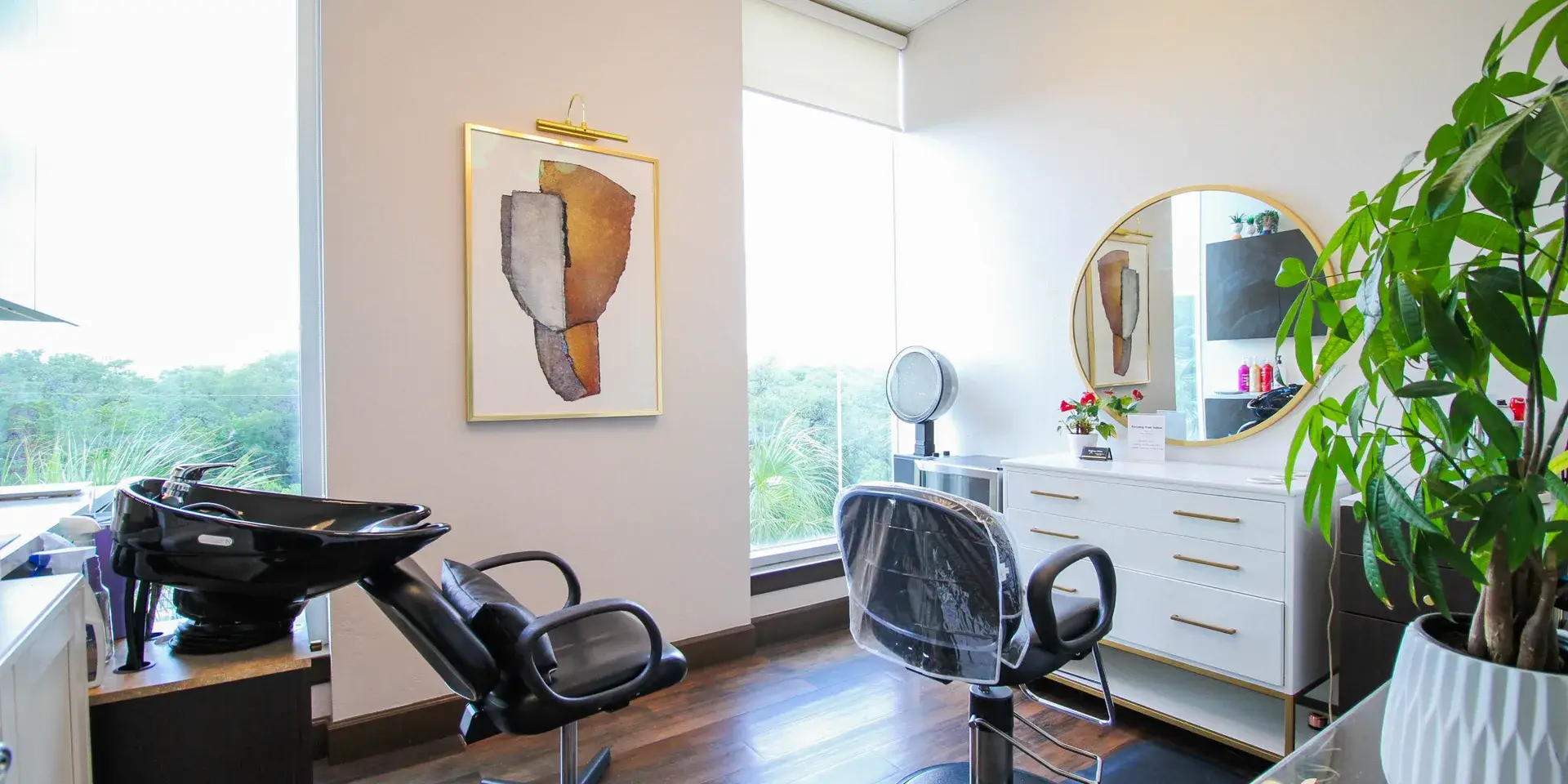
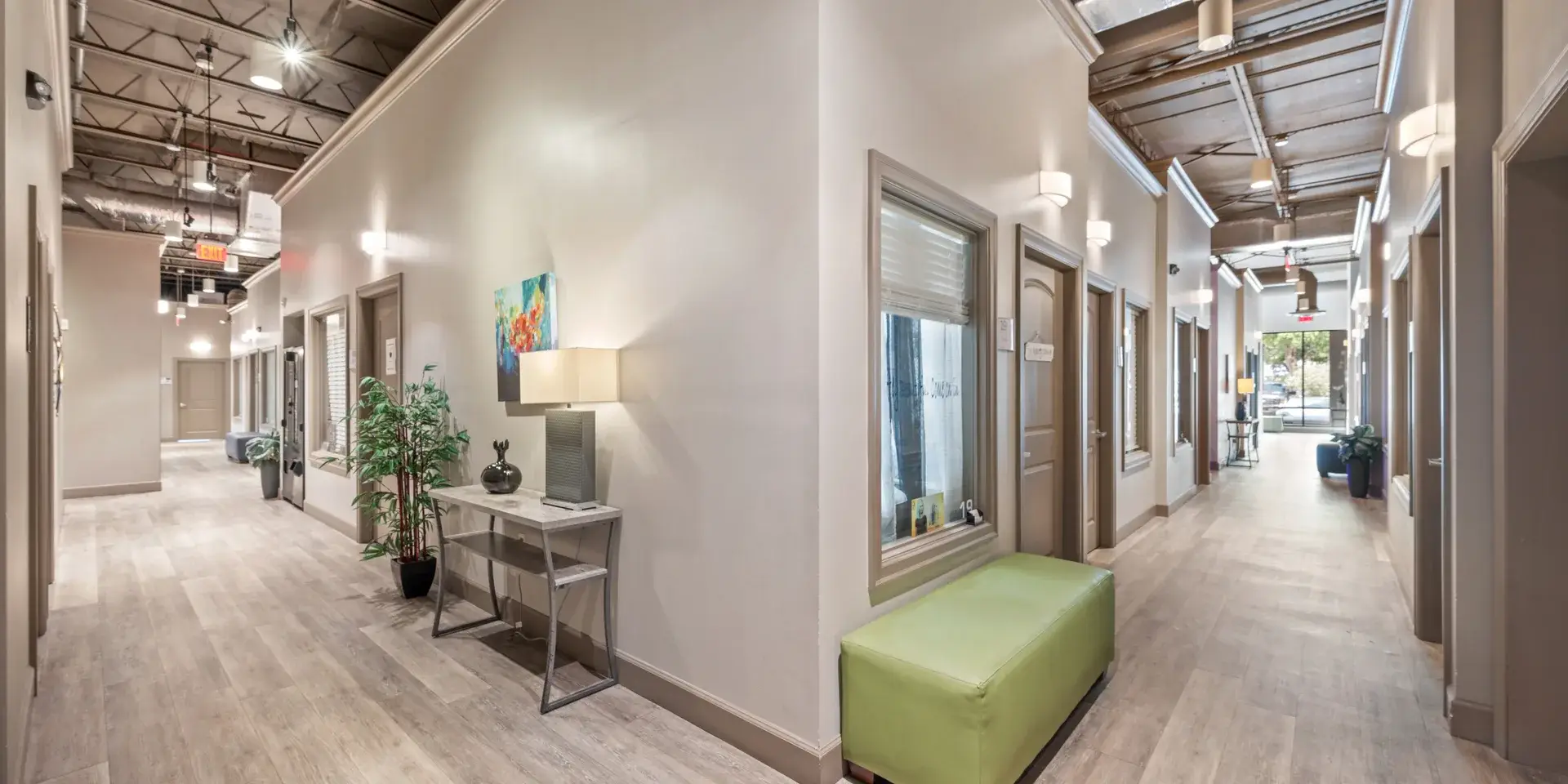
A salon suite franchise is a real estate-based business model where the franchise owner leases commercial retail space, builds out 30 to 50 private suites, and rents those suites to independent beauty and wellness professionals. Think of it as a commercial landlord model for the beauty industry. Each suite tenant runs their own business, sets their own prices, and serves their own clients. The franchise owner collects weekly rent and manages the property.
This model sits in the $46 billion U.S. salon industry, and it has grown fast. The top five salon suite franchise brands now operate more than 2,000 locations combined. The growth is driven by two trends: beauty professionals want independence and private workspace, and investors want semi-absentee businesses with predictable rental income.
How Much Does a Salon Suite Franchise Cost in 2026?
Total investment varies widely depending on the brand, location size, and local construction costs. Here is a side-by-side look at the major salon suite franchise brands and their 2026 investment requirements:
| Brand | Initial Franchise Fee | Total Investment Range | Liquid Capital Required | Net Worth Required |
|---|---|---|---|---|
| Salons by JC | $60,000 | $1.33M – $2.04M | $500K – $750K | $2M+ |
| Sola Salons | $45,000 | $1.1M – $2.0M | $500K | $1.5M |
| Phenix Salon Suites | $50,000 | $721K – $1.4M | $300K | $850K – $1M |
| MY SALON Suite | $55,000 | $1.0M – $1.7M | $200K | $1.5M |
| Image Studios 360 | $49,000 | $800K – $1.6M | $500K | $1M |
The range reflects real differences in build-out quality, location strategy, and the level of support each brand provides. A lower price tag does not always mean a better deal, and a higher one does not always mean overpaying. What matters is what you get for your investment and the revenue model behind it.
What Is Included in the Total Investment?
The total investment number in a Franchise Disclosure Document (FDD) covers everything from signing the agreement to opening day. Using Salons by JC as a detailed example, here is where the money goes:
Franchise and Setup Costs
- Initial Franchise Fee: $60,000. This grants the license to operate under the brand, plus access to training, trademarks, and the full support system through site selection and build-out.
- Professional Fees (legal, accounting, consulting): $75,000 – $89,000
- Travel for Training: $1,500 – $2,500
Real Estate and Construction
This is the single largest cost category, typically making up 60-70% of the total investment.
- Construction and Leasehold Improvements: $860,000 – $1,380,000
- Lease Deposits and Three-Month Rent: $46,000 – $74,000
- Site Evaluation: $0 – $1,000
Construction costs vary based on location, local labor rates, and how much existing infrastructure the space already has. A second-generation retail space (previously occupied by another tenant) often costs less to build out than a raw shell.
Equipment and Infrastructure
- Furniture, Fixtures, and Equipment: $230,000 – $334,000
- Signage and Graphics: $21,500 – $31,400
- Computer and Software Systems: $800 – $1,500
Operating Capital
- Grand Opening Marketing: $15,000 – $20,000
- Initial Inventory: $2,000 – $4,000
- Utility Deposits: $5,000 – $7,000
- Insurance (three months): $900 – $1,500
- Additional Funds (three months): $10,000 – $20,000
The working capital cushion is important. Most salon suite locations take 6 to 12 months to reach stabilized occupancy (85%+), and having three months of reserves means you are not scrambling to cover expenses during ramp-up.
Ready to see what your specific market would cost? Request a consultation and get numbers tailored to your target area.
How Does the Semi-Absentee Model Reduce Overhead?
One of the biggest misconceptions about franchise ownership is that it demands full-time involvement. With most salon suite franchises, owners spend 10 to 20 hours per week on operations, tenant relations, and marketing. That is the “semi-absentee” promise most brands make.
Salons by JC takes this further with a full-time, onsite Concierge Manager at every location. This is a single employee who handles daily operations, tenant communications, suite showings, and the overall client experience. The result is a genuinely hands-off model where the franchisee focuses on strategic decisions (lease negotiations, expansion planning, financial oversight) rather than day-to-day management.
Why does this matter for costs? Because the model is designed around one employee. You do not need a large management team, a receptionist desk, or multiple shift managers. Payroll stays lean. Compare that to a traditional salon, which might employ 8 to 15 stylists, a front-desk team, and a salon manager. The difference in ongoing operational costs is significant.
The 92% tenant renewal rate at Salons by JC locations also plays into the cost equation. High retention means lower marketing spend to fill suites, fewer turnover-related vacancies, and more predictable cash flow month to month.
What ROI Can You Expect from a Salon Suite Franchise?
Return on investment depends on your total capital deployed, the market you operate in, and how quickly you reach stabilized occupancy. Here is what the numbers look like based on Salons by JC’s 2024 Franchise Disclosure Document data:
- Average Gross Sales (franchised locations): $534,950
- Median Gross Sales: $523,622
- Company-Owned Average: $580,985 (corporate locations run by the same system)
- Performance Range: $178,859 to $2,128,560
A typical location generates $9,000 to $15,000 in weekly gross rental income from 30 to 50 suites, with average weekly rates around $300 per suite. The VagaroPlus program, exclusive to Salons by JC, adds a secondary revenue stream through $1 per-transaction convenience fees after the first 30 monthly transactions per tenant.
ROI Scenarios
| Scenario | Annual Gross Revenue | Estimated Net Income (35% margin) | ROI on $1.4M Investment | Estimated Payback Period |
|---|---|---|---|---|
| Conservative | $400,000 | $140,000 | 10% | ~10 years |
| Moderate (Median) | $535,000 | $187,000 | 13% | ~7.5 years |
| Strong (Above Average) | $700,000+ | $245,000+ | 17%+ | ~5.5 years |
These figures come from FDD data and should be evaluated with your own financial advisor. Individual results vary based on location, occupancy ramp-up speed, and local market conditions. You can read more about franchise owner income to dig deeper into the numbers.
How Do Salon Suite Franchises Compare to Traditional Salons?
If you are weighing a salon suite franchise against opening a traditional salon, the financial structures are very different:
| Factor | Salon Suite Franchise | Traditional Salon |
|---|---|---|
| Revenue Model | Suite rentals (weekly/monthly) | Service revenue + product sales |
| Staff Required | 1 (Concierge Manager) | 8-15+ stylists, front desk, manager |
| Owner Involvement | Semi-absentee (strategic only) | Full-time or near full-time |
| Payroll Costs | Low (one salary) | High (largest expense line) |
| Revenue Predictability | High (weekly leases, 92% renewal) | Variable (client volume dependent) |
| Startup Investment | $1.3M – $2.0M | $100K – $500K (but lower margins) |
The traditional salon has a lower upfront cost, but it comes with higher ongoing expenses, more management burden, and less income predictability. A salon suite franchise is a bigger check to write upfront, but the operating model is simpler and the income is more stable. For a more detailed comparison, see our complete guide to salon suite vs. traditional salon ownership.
Want to see how the numbers work for your situation? Request a personalized consultation today.
What Financial Qualifications Do You Need?
Each salon suite franchise brand sets its own financial qualification thresholds. These requirements exist to make sure new franchise owners have the resources to handle site selection, a quality build-out, and the ramp-up period before the location reaches stable occupancy. For Salons by JC, the requirements are the highest in the industry: $500,000 minimum liquid capital ($750,000 preferred) and a $2,000,000 net worth. While that bar is high, it is intentional. Higher-qualified franchisees tend to select better real estate, build higher-quality suites, and weather the 6 to 12 month ramp-up without financial stress. A strong financial foundation also opens the door to better franchisee support resources and more favorable lease negotiations with landlords.
What Financing Options Are Available?
The investment numbers can look daunting at first glance. Many franchise investors do not write a check for the full amount. Financing options include:
- SBA Loans: The Small Business Administration’s 7(a) loan program is one of the most common paths for franchise funding, offering favorable terms and lower down payments.
- Franchise Funding Companies: Salons by JC has relationships with several franchise-specific lenders who understand the salon suite business model.
- Tenant Improvement (TI) Dollars: Landlords in retail centers sometimes contribute to build-out costs as an incentive to lease their space. The Salons by JC real estate team helps negotiate these credits.
- Equipment Leasing: Furniture, fixtures, and equipment can often be leased rather than purchased outright, reducing the upfront capital requirement.
- ROBS (Rollover for Business Startups): Some investors use retirement funds to finance their franchise without incurring early withdrawal penalties.
Meeting the liquid capital and net worth requirements is a prerequisite, but the actual out-of-pocket amount at signing depends on which financing tools you use. A thorough due diligence process should include evaluating all funding options with a financial advisor before committing.
Frequently Asked Questions
How much does a salon suite franchise cost in 2026?
A Salons by JC franchise requires a total investment of $1,331,200 to $2,043,400. This includes the initial franchise fee, construction and leasehold improvements, furniture, fixtures, equipment, signage, training, grand opening marketing, deposits, insurance, and working capital.
What financial qualifications do I need to open a Salons by JC franchise?
Salons by JC requires a minimum net worth of $2,000,000 and at least $500,000 in liquid capital, with $750,000 preferred. These requirements help franchisees support site selection, build-out, opening costs, and operating reserves.
How does the semi-absentee model reduce overhead?
The Salons by JC model uses a full-time Concierge Manager to handle daily operations, tenant relations, and the client experience. This allows owners to focus on strategic oversight rather than working full time in the salon.
What ROI can I expect from a salon suite franchise?
ROI depends on market, occupancy, build-out costs, financing, and operating performance. Salons by JC provides FDD-backed performance data and investment ranges so qualified candidates can evaluate potential returns during the discovery process.
What financing options are available?
Qualified franchise candidates may explore SBA loans, conventional bank financing, equipment financing, and other franchise lending options. Financing availability depends on lender requirements, credit profile, liquidity, collateral, and the candidate’s overall financial position.
What is the initial franchise fee for a salon suite franchise?
Initial franchise fees range from $45,000 to $60,000 depending on the brand. Salons by JC charges a $60,000 initial franchise fee, which covers licensing, training, trademark access, and full support through site selection and build-out.
Your Next Step
A salon suite franchise is a significant investment, but it is backed by a proven business model, predictable rental income, and a growing industry that has shown strong resilience through economic cycles. The key is matching the right brand and the right market to your financial position and lifestyle goals.
Salons by JC has been in the salon suite business since 1997, has grown to over 160 locations across 26 states and Canada, and has earned six consecutive years on Entrepreneur Magazine’s Franchise 500. The Concierge Manager model, the 92% tenant renewal rate, and the VagaroPlus revenue stream make it a standout option for investors who want true semi-absentee ownership.
Request your free consultation to find out if you qualify and to receive a personalized investment breakdown for your target market.